

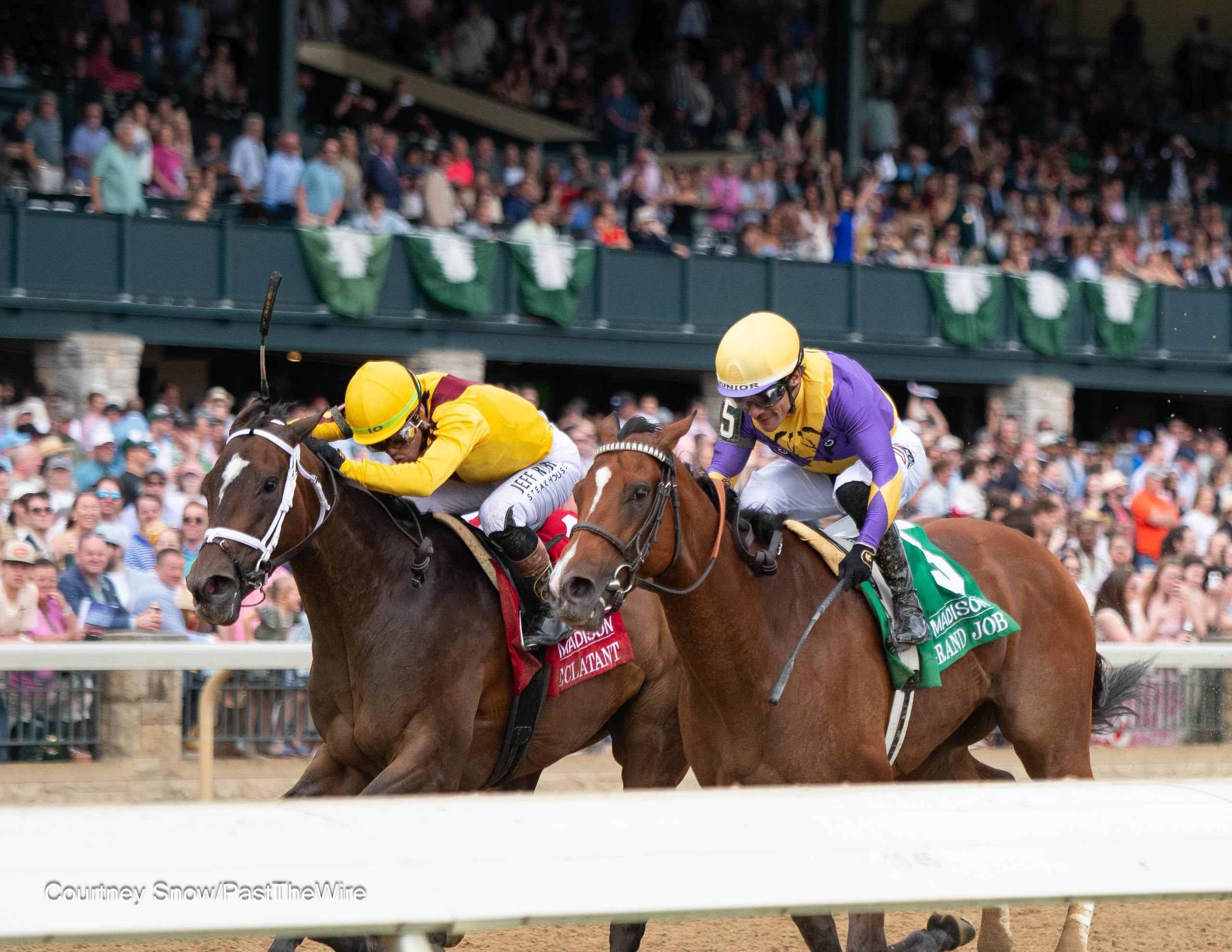

Horse racing has always been a sport of fine margins. A fraction of a second can separate a champion from the rest of the field. Training, nutrition, track conditions, and jockey skill all matter, but one factor sits at the foundation of racing performance: breed. The genetic traits developed over centuries continue to shape how horses run, recover, and compete on different types of tracks.
Why Horse Breeds Matter in Racing
Ask any experienced trainer what creates a successful racehorse, and the answer rarely begins with speed alone. Endurance, stride length, muscle composition, temperament, and recovery rates all play a role. These qualities are heavily influenced by breeding.
That is why bloodlines attract so much attention before major races such as the Kentucky Derby, Royal Ascot, or the Melbourne Cup. Owners and trainers study pedigrees with the same focus that professional sports teams analyze player statistics.
For racing enthusiasts looking to better understand these factors, many industry observers follow expert racing tips guides and breeding records. While no single indicator predicts results, breed characteristics often provide valuable context when evaluating a horse’s potential.
The connection between genetics and performance is not a modern discovery. Breeders have been refining racehorses for hundreds of years, selecting animals that consistently demonstrated desirable traits on the track.
Thoroughbreds: The Dominant Force in Horse Racing
When people think about horse racing, they usually picture Thoroughbreds.
There is a good reason for that. Nearly every major flat race around the world is designed specifically for this breed. The modern Thoroughbred traces its origins to three foundation stallions imported into England during the 17th and early 18th centuries. Over generations, breeders focused relentlessly on speed and athleticism.
The result is a horse built for competition.
A typical Thoroughbred combines a deep chest, long legs, powerful hindquarters, and a large cardiovascular system. These physical traits help generate impressive speed while maintaining stamina over racing distances.
Consider some of the sport’s legends. Horses such as Secretariat, Frankel, and Winx became famous not simply because they won races. They dominated elite competition against carefully selected rivals from similarly prestigious bloodlines.
Sounds logical, doesn’t it? When an entire breeding system is dedicated to producing fast athletes, exceptional performers eventually emerge.
Quarter Horses and Explosive Sprint Speed
Not every race is won through endurance.
In the United States, the American Quarter Horse has earned a reputation as one of the fastest animals on earth over short distances. The breed receives its name from quarter-mile racing, where it consistently outperforms other breeds.
Quarter Horses are built differently from Thoroughbreds. Their bodies are more compact. Their muscle mass is denser. Their acceleration is remarkable.
Watch a Quarter Horse break from the starting gate and the difference becomes obvious. Within a few seconds, the horse reaches speeds that leave spectators stunned.
This explosive power makes the breed ideal for sprint races. Yet the same characteristics that create rapid acceleration often limit effectiveness over longer distances where stamina becomes critical.
That’s the fascinating part of horse breeding. The qualities that create success in one format may become disadvantages in another.
Arabian Horses and Endurance Racing
Speed attracts headlines. Endurance wins respect.
For long-distance competitions, few breeds can match the Arabian horse. Known for exceptional stamina and resilience, Arabians have been prized by breeders for centuries.
The breed developed in harsh desert environments where survival depended on efficient energy use and physical durability. Those traits remain visible today.
Modern endurance races can cover 100 miles or more. Such events demand far more than raw speed. Horses must maintain a sustainable pace while coping with heat, terrain changes, and fatigue.
Arabians consistently excel under these conditions.
Veterinarians and researchers have often pointed to the breed’s efficient metabolism and strong cardiovascular capacity as key reasons for its endurance success. While a Thoroughbred might dominate a classic flat race, an Arabian is often the preferred choice when distances become extreme.
The Role of Genetics in Modern Racing
Today’s racing industry combines traditional breeding knowledge with advanced science.
Genetic testing has become increasingly common among breeders seeking insight into performance potential. Researchers analyze markers associated with muscle development, stamina, and recovery.
Companies involved in equine genetics now provide data that previous generations could only guess at.
Still, science has not replaced experience.
Many successful breeders continue to trust observations passed down through decades of practical work. They watch how young horses move. They evaluate temperament. They assess physical structure. Numbers matter, but so does intuition.
A horse can possess an impressive pedigree and still fail to become a champion. Likewise, unexpected stars occasionally emerge from bloodlines that attracted little early attention.
That unpredictability remains one of racing’s greatest attractions.
Temperament: The Overlooked Factor
People often focus on physical ability while overlooking mentality.
Yet temperament frequently separates good racehorses from great ones.
Some horses thrive in crowded race-day environments. Others become anxious around noise, travel, or large audiences. Certain bloodlines are known for competitiveness and focus, while others require more careful management.
Experienced trainers pay close attention to these behavioral traits because a nervous horse can waste energy before a race even begins.
Think about elite human athletes. Physical talent matters enormously, but mental composure often determines who performs under pressure. The same principle applies to horses.
In fact, some owners specifically seek bloodlines known for calm, trainable personalities alongside athletic ability.
Breeding for Different Racing Surfaces
Not all racetracks are the same.
Some races take place on turf. Others are held on dirt or synthetic surfaces. Different breeds and bloodlines often show preferences for particular conditions.
European racing has traditionally emphasized turf performance. As a result, many bloodlines developed in Britain, Ireland, and France demonstrate strong results on grass tracks.
In North America, dirt racing has historically played a larger role. Certain families of Thoroughbreds have established reputations for excelling under those conditions.
Track specialists are not a myth. They are a reality observed repeatedly across racing jurisdictions.
Breeders take these preferences seriously when planning future generations of racehorses.
Can Breeding Guarantee Racing Success?
The short answer is no.
A superior pedigree improves the odds of producing a successful racehorse, but it offers no guarantees. Injuries happen. Training programs vary. Weather conditions influence results. Competition levels change from race to race.
History contains countless examples of expensive horses that failed to justify expectations. It also includes underdogs that exceeded every prediction.
Breeding creates opportunity. It does not create certainty.
That distinction is important for anyone studying horse racing from a performance perspective.
Final Thoughts
The relationship between horse breeds and racing success is impossible to ignore. Thoroughbreds dominate flat racing because generations of selective breeding prioritized speed and athleticism. Quarter Horses excel in short sprints thanks to explosive power. Arabians continue to set the standard for endurance events.
Yet racing remains more complex than genetics alone. Training, management, health, temperament, and race conditions all contribute to the final outcome.
Perhaps that’s why horse racing continues to captivate fans worldwide. Bloodlines tell part of the story, but never the whole story. Every time the gates open, possibility still outruns prediction.