

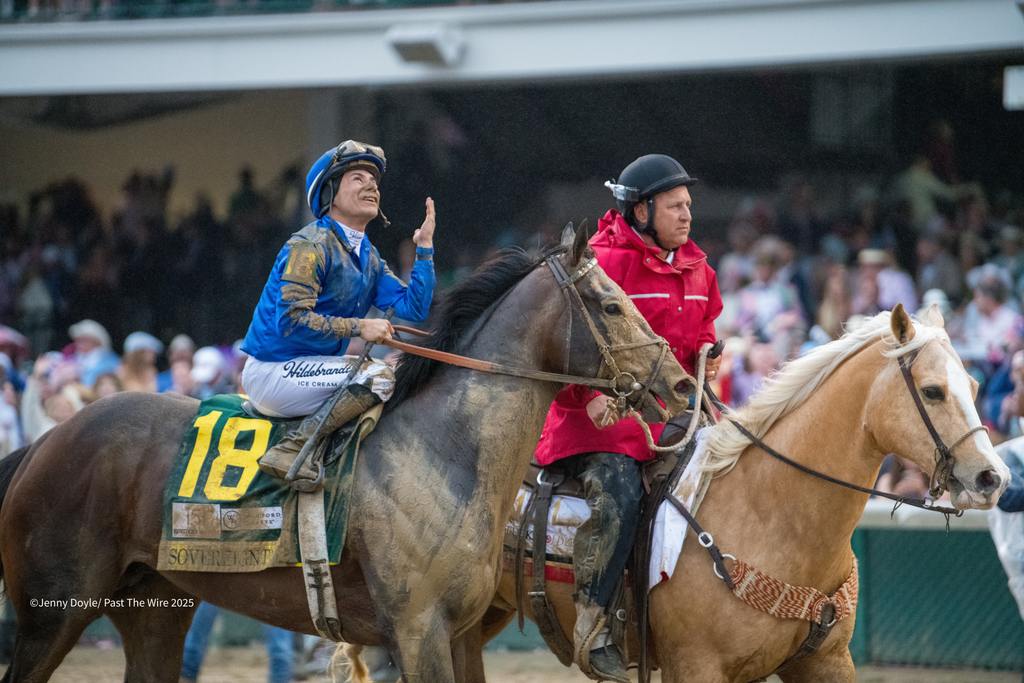
Kentucky Derby Day may be the first Saturday in May, but the real journey starts months earlier, when the sport’s best and brightest 3-year-olds begin writing their stories in prep races across the country.
The prep season is where unknown names become contenders, where futures odds swing overnight, and where bettors start building opinions long before the twin spires come into view.
There’s something special about these early stakes. A chilly February afternoon at Fair Grounds or Gulfstream feels like the opening chapter of a bigger story. Fans aren’t just watching a race, they’re watching the Derby picture start to form, stride by stride.
The Two Phases That Shape the Derby Field
The prep season isn’t one long stretch of races. It unfolds in two distinct phases, each with its own tone, urgency, and betting implications.
The Foundational Races (September–February)
Early preps set the foundation. Races like the Iroquois and Holy Bull test young horses stretching out and handling tougher company under stakes pressure. Winners earn around 20 points, enough to draw attention, but not enough to secure a Derby spot.
These races often create the first “buzz horses,” grabbing headlines with flashy wins or big speed figures.
Pedigree trends also start emerging here across major prep circuits nationwide. In 2026, runners by Not This Time have already begun to shape conversations, giving bettors another layer to consider when new names appear.
The Championship Series (February–April)
Late winter and spring bring a different intensity. The Championship Series is where the leaderboard starts to move more quickly. Races like the Rebel Stakes jump to 50 points for a win, while the final “Super Six” preps in March and April offer 100 points, essentially punching a horse’s ticket to Louisville.
The cutoff line matters too. Historically, around 40–50 points are needed to make the Derby field of 20. Horses sitting low on the board in March often run with urgency, while those already qualified may get a softer trip, saving something for May.
Understanding the Betting Landscape Early in the Season
The Derby trail doesn’t just shape horses; it shapes the betting conversation. Futures pools, shifting odds, and evolving contender narratives make the prep season one of the most dynamic stretches on the calendar.
Many bettors enjoy following the Kentucky Derby Future Wager pools, where prices can change dramatically after a single standout performance. A colt sitting at 50-1 in early winter might suddenly appear at 12-1 after a major prep win.
The “All Other 3-Year-Olds” pool tells its own story. Early in the season, that group option is often favored because so few stars have separated themselves yet. Each prep race helps individual horses break away from the pack.
Prep season also introduces bet types such as win, place, show, exactas, and futures, which can overwhelm those new to the horse racing scene. A solid foundation helps, and resources like horse racing betting guides make it easier to understand these wagers before the Derby spotlight intensifies.
Separating Hype From Handicapping Insight
Prep season creates headlines, but bettors know the loudest story isn’t always the most reliable one. The key is learning how to read performances with perspective.
The “Buzz” Horse vs. The Quiet Contender
A flashy win can instantly create a superstar narrative. Nearly’s 98 Beyer in the Holy Bull, for example, made him a winter sensation. Quieter horses, though, sometimes develop just as well without the same media attention. A third-place finisher with a strong late run might actually be showing more long-term promise than the early-season darling.
The Two-Prep Trend
Recent patterns suggest horses entering the Derby with exactly two starts as a 3-year-old tend to perform better than those who run three or more times. Freshness, spacing, and steady development often matter more than stacking prep trophies.
Speed vs. Stamina Signals
Tracks like Gulfstream or Santa Anita often favor speed, so closers with sharp late finishes can stand out as distances grow toward 1 1⁄4 miles in May. Bettors also watch for tactical runners near the pace, horses improving with added distance, and strong finishes in speed-friendly setups.
Regional Paths and What They Signal
One of the attractions of the Derby trail is how different circuits produce different kinds of contenders, each with its own racing identity. Track surfaces, regional training styles, and pace dynamics all contribute to shaping those distinct profiles.
Fair Grounds, for instance, often develops horses with stamina and durability. The Louisiana path, through races like the Risen Star and Louisiana Derby, is known for testing runners over longer stretches.
The online publication and media platform Past the Wire has covered that progression closely, offering detailed race analysis, pace insights, and contender takeaways from the Fair Grounds circuit. Readers can revisit the season’s key developments in the article Risen Star recap.
Then there’s Gulfstream’s Florida Derby, which remains one of the most predictive preps, producing 25 Derby winners since 1953. Regional results shape perception, as bettors compare a speed-driven California winner with a grinding Louisiana closer, each representing a different Derby profile.
Reading the Intangibles Beyond the Stopwatch
Numbers matter, but prep season also reveals something harder to measure: temperament. How a young horse responds to pressure often separates contenders from pretenders. Speed figures tell part of the story; composure tells the rest.
The Derby isn’t just about speed; it’s about handling chaos. The crowd, walkover, and noise test a horse’s mindset, and prep races offer clues. Horses that stay calm during delays or traffic often carry that composure into May.
Trip handicapping is essential. Some intriguing Derby longshots finish third or fourth after troubled trips, shuffled back, forced wide, or blocked late. Sharp bettors spot those hidden efforts before the public does.
Watching the Derby Picture Take Shape
Prep season is racing’s unfolding drama, with each weekend adding another brushstroke to the Derby canvas. Storylines build gradually, and new contenders step forward as others fade from view.
The points system turns the trail into a race within a race. Futures pools shift quickly, trainers fine-tune schedules, and bettors debate which horses are progressing at the right time. Every prep reshapes the conversation.
Derby Day is the grand stage, but the months before it give the story its depth. The road is long, unpredictable, and endlessly compelling, exactly as horse racing should be.