
The HISA fatality numbers are real and they matter. So does everything else
The numbers are real. Let’s start there.
HISA’s 2025 Annual Metrics Report shows 1.04 racing-related equine fatalities per 1,000 starts — a sustained reduction from pre-HISA baselines and roughly half the rate recorded when the Equine Injury Database began tracking nationally in 2009. The Jockey Club’s EID corroborates it, putting the overall rate at 1.07 — the lowest since reporting began. The trend line is moving in the right direction, and I’ve said so in print before. I’ll say it again here: that matters. Every horse that doesn’t die on the track is a victory.
But I’m not popping champagne. And if you’ll give me a moment, I’ll tell you why.
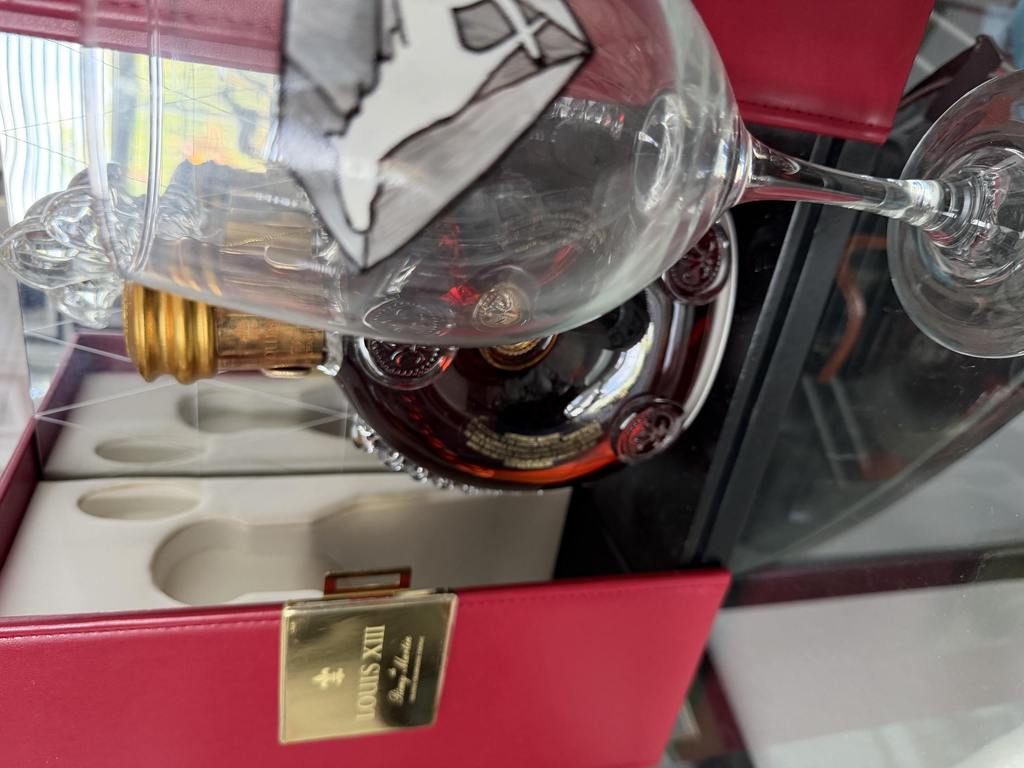
When I toast, it’s with Louis XIII. This industry isn’t close to pouring that round yet.
Those of you who read my piece on HISA’s stumbling rollout — the jurisdictional friction, the enforcement inconsistencies, the governance questions that followed the authority from its earliest days — know I don’t grade this sport on a curve. And I’m not going to start now just because the numbers trended right for a calendar year.
Because here’s what the same report that’s generating the industry backslapping also shows: training-related fatalities ticked up year over year, from 0.50 to 0.55 deaths per 1,000 workouts. Fatalities involving 2-year-olds rose from 15 to 21. HISA’s own analysts flagged a recurring pattern of increased deaths near the end of seasonal meets — a trend they say they’re still trying to explain. These aren’t minor footnotes. They’re in the same document everyone is celebrating.
Non-HISA tracks in Louisiana, Texas, and West Virginia were running at 1.21 fatalities per 1,000 starts — nearly 17% higher than HISA tracks. Horses don’t stay in one jurisdiction. Trainers move. Owners move. The idea that a fractured regulatory landscape doesn’t bleed across borders is convenient fiction, and it’s exactly the kind of institutional comfort this sport reaches for when it wants to stop asking hard questions.
I think about Ginger Brew. That one ended well — and thank God for it — but that outcome is the exception, not the standard. Most of those stories don’t end that way. They end quietly. They end without accountability. They end with a website update, a revised mission statement, a press release affirming everyone’s deep commitment to the welfare of the horse.
I’ve spent considerable time documenting the governance architecture of this sport — the reserve accounts, the board overlaps, the legal structures built not for transparency but for institutional survival. I’ve watched major organizations decline invitations to explain themselves on the record. The empty chairs are still empty. The silence is still deliberate.
This industry’s relationship with reform follows a familiar pattern: acknowledge the problem when the optics demand it, issue language that sounds like action, wait for the news cycle to move on. The low-hanging fruit — the changes that require no great sacrifice, no structural disruption, no relinquishing of power — remains unpicked year after year. Not because it’s hard. Because nobody is making them reach.
Don’t be so far behind that you think you’re in front.
Here’s what I know about progress: it is not the same as arrival. A nearly 50% reduction in fatality rates over 16 years is meaningful work by real people. It is also 16 years. There is still a Ginger Brew happening somewhere right now that hasn’t made the news yet. There are still aftercare pipelines that fail horses routinely. There are still governance structures that protect institutions more than animals, financial reserves whose growth outpaces any demonstrable reinvestment into the sport’s welfare infrastructure, and a culture that rewards silence and punishes scrutiny.
The HISA data is a floor measurement. It tells you the basement has been raised. It does not tell you the house is built.
When this industry earns a real toast, I will raise a glass. I know exactly what’s in it, and I know exactly what it will take to pour it. One good data year from an authority that was stumbling to find its footing not long ago doesn’t get us there. Sustained accountability gets us there. Structural transparency gets us there. The kind of reform that costs somebody something gets us there.
The horses deserve better than our self-congratulation.
Play us a tune, something to make us all happy: