AFTERCARE: The First Fix, the Only Fix, and the Moral Line Horse Racing Can’t Keep Pretending Doesn’t Exist
It’s harder to buy a new Ferrari than a racehorse
Horse racing can spend millions on rebranding, committees, consultants, wagering platforms, integrity summits, and “modernization.”
We can create regulatory agencies, redesign medication rules, build new tech, crack down on CAWs, and overhaul racing surfaces.
But here’s the truth no one with a microphone ever says:
If we don’t fix aftercare, we fix nothing.
Not the image.
Not the future.
Not the soul of this game.
We talk about “the love of the horse.” Well, show it. Because until we do, all the slogans in the world mean nothing. Aftercare has to come first. Before the low hanging fruit we can’t even fix like staggered post times, before CAW’s, before everything else.
The Starfish Story That Never Left Me
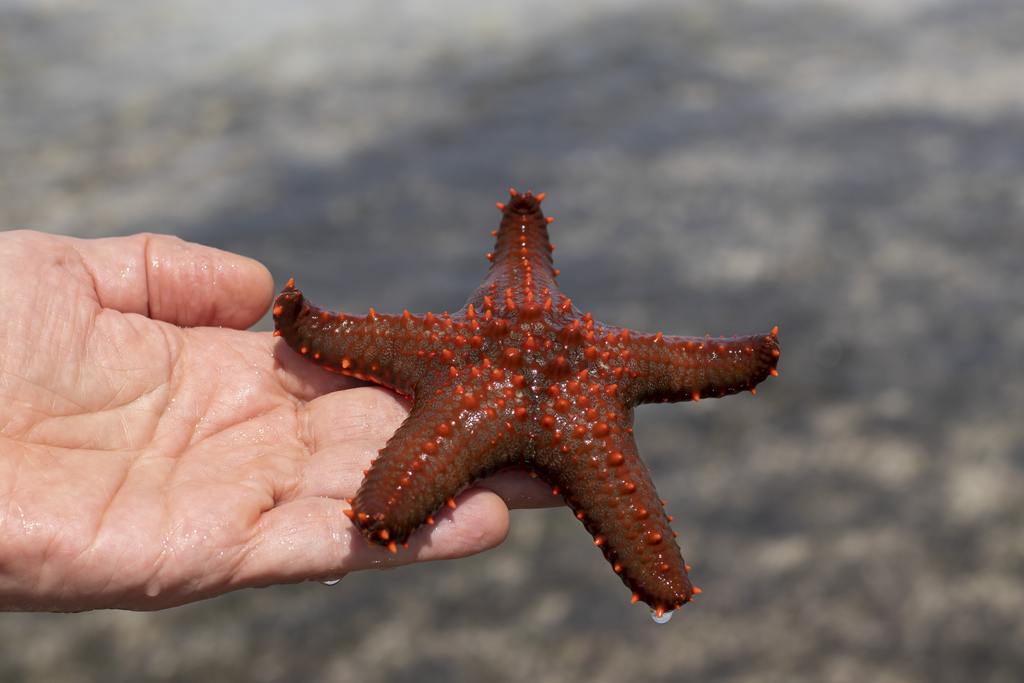
My father told me the starfish story when I was a kid.
The one where a boy is tossing stranded starfish back into the ocean, one at a time, while a man tells him he can’t possibly make a difference. The boy picks one up, sends it into the waves, and says:
“It made a difference to that one.”
That stuck with me for life. Because that’s aftercare. That’s racing. That’s what this whole thing means when you strip away the sport, business and money.
Saving one horse is everything to that horse.
And that ought to be everything to us.
The Slaughter Pipeline: Racing’s Ugly Open Secret
This industry has perfected the art of pretending not to see. Definitely not to talk about unless it’sthe rescues who far too often get ignored or labeled pains in the you know what.
The reality:
Every year, estimates say 15,000–20,000 American horses — including former racehorses — are shipped to slaughter in Mexico and Canada. Not all are Thoroughbreds,but enough are that the industry should be ashamed.
Horses end up in kill pens with:
- Racing plates still on
- Tattoos still visible
- Papers still traceable
- Connections who should have known better
This isn’t mythology. It’s happening weekly, daily even. I hear stories about vans to kill pens parked outside certain racetracks. We call ourselves “The Sport of Kings”? Well, Kings don’t send their athletes to slaughter. The Puerto Rico situation is an article or sadly book in and of itself.
You cannot claim:
- “The horse comes first,”
- “We love them like family,”
- “Safety is paramount,”
…and then shrug off what happens to them after the last race, after the last workout, after they stop earning.
Integrity doesn’t end at the wire.
It begins when the racing is over.
The Aftercare Organizations Holding This Industry Together
The only reason thousands of Thoroughbreds are alive today is because good people stepped in where racing failed.
The Thoroughbred Aftercare Alliance (TAA)
- Accredits 80+ organizations
- Supports ~180 aftercare facilities and programs
- Over 15,000 Thoroughbreds rehomed or retrained
- Strict, audited standards — the real deal
They stretch every dollar. They do it right. But funding falls short every single year.
The Thoroughbred Charities of America (TCA)
- Distributes $1.5–2 million annually
- Supports rehab, retraining, sanctuary care, emergency vet care, and more
- Lifelines where racing often offers none
There are others — Rerun, New Vocations, Second Stride, Old Friends — but they all share the same problem:
They’re doing the job the industry refuses to mandate.
Aftercare Success Stories: Proof That These Horses Have Value Beyond Racing
We need to stop acting like a retired racehorse only has one path.
Former racehorses are succeeding as:
- Eventers
- Show jumpers
- Dressage mounts
- Therapy horses
- Mounted police horses
- Trail companions
- Family horses
- Heroes in new careers
Some of the most successful Thoroughbreds off the track were never Stakes winners. Some weren’t even fast enough to make a gate. They still became champions in new arenas.
Examples from across the country:
- A former $5,000 claimer winning Training Level eventing championships
- A track warrior becoming a police mount in Louisville
- A lightly raced filly becoming a therapy horse for non-verbal children
- A gelding with bowed tendons becoming a junior hunter champion
- OTTBs dominating the Retired Racehorse Project’s “Thoroughbred Makeover” every year
The talent, intelligence, and heart of these horses doesn’t disappear when racing ends. It just needs a place to go where someone believes in it.
What Some Horsemen Say — Even When Others Stay Quiet
You don’t have to search hard to find real horsemen who get it.
- “A horse gives you everything. You owe it back.”
- “Retirement is not someone else’s job.”
- “If you can afford to race one, you can afford to retire one.”
- “The day we lose the moral obligation to the horse is the day this sport deserves to die.”
Even some of the best trainers and owners — the ones with the biggest barns — quietly send horses to TAA-accredited programs, pay out of pocket, and follow up years later.
It can be done.
It is being done.
Just not universally… yet.
Fixing Aftercare Isn’t Complicated — It’s Commitment
This is how I would try and fix it:
First I believe owning a racehorse is a privilege. A privilege that comes with commitment and financial responsibility. The licensure requirements need to go deeper. You should have to demonstrate and document you have the financial means to own a racehorse and the amount you are permitted to own should be in line with what you can afford. It’s harder to buy a new Ferrari than a racehorse. Imagine that.
I would say times three is a good start. Meaning we have to triple what we take in for aftercare from where it is now. Some of the fees I mention below are already in place but it’s not enough. Without studying the numbers, off the cuff, I say times three for what is in place, and implementing the ones that aren’t at a proportionate rate.
The blueprint every track, regulator, owner, and breeder should have adopted years ago:
1. Mandatory Per-Start Fees for Aftercare
$10,000 claimer or Grade 1? Doesn’t matter. Every start contributes to a retirement fund.
2. Mandatory Foal Registration Aftercare Fee
If you breed it, you pay for its future.
3. Sales House Surcharges
Every yearling, every 2-year-old, every broodmare sale includes an automatic aftercare fee. Every auction sale pays a share. We all heard about the double dipping bloodstock agents who charge the seller and buyer. In aftercare where it is more important than greed or wealth, all sides pay, sales company, buyer and seller.
4. Microchip-to-grave Tracking
We track jockey whip strikes tighter than we track the horses themselves. Enough.
5. Zero-Tolerance Anti-Slaughter Contracts
You sell or transfer a horse → it is documented. Violations = bans.
6. Mandatory Retirement Plans at Every Track
Each track must fund an accredited retirement pipeline.
7. Consequence-Based Enforcement
If your horse shows up in a kill pen?
Penalties.
Not excuses.
Not “I didn’t know.”
8. Partnerships With TAA and TCA
Track by track. State by state.
Real funding, not PR.
9. Require Owners to Sign Aftercare Agreements
If you can afford to run a horse, you can afford to retire a horse.
10. More Money
A percentage of every dollar spent at the racetrack on anything from admissions to a soda or beer, or wagered live or through an ADW goes into the aftercare fund.
11. Public Transparency
Where does the money go? An independent Accounting Firm manages the funding with complete transparency and obviously on a fiduciary basis.
How are horses doing?
Where are they?
No secrets.
12. Financial Responsibility
Ownership licenses that require financial affidavits showing you can sustain the horses you own and adequately contribute to their retirement.
This is not rocket science. It’s responsibility.
What Fans, Gamblers, and the Public Can Do
People always ask, “What can I do? I’m just one person.”
The starfish story answers that. But here’s a list anyway:
1. Support accredited aftercare groups
Donate $5, $10 — every horse costs thousands to retrain.
2. Share horses at-risk on social media
You never know who sees it.
3. Adopt or sponsor a horse
Even monthly sponsorship helps save lives.
4. Ask tracks and owners about aftercare
Public pressure works.
5. Reward good behavior
Support trainers and owners who retire horses responsibly.
6. Demand transparency from racing organizations
This is your sport too.
Fans and bettors have more power than they realize — especially now when handle is everything. Don’t just shut up and bet, that’s what the status quo wants.
Mike Repole, Patrick Cummings and their Efforts:
I try and avoid most of the noise in the industry and 99% of social media. Most of it is the same old and flat out BS and wrong or bad opinions. There are a select few I do pay attention to when it crosses my path and Mike Repole and Patrick Cummings both fall into that category. They are knowledgeable, fair, approachable, and passionate about the sport. Unfortunately, there aren’t many others and through the NTA Mike formed they are battling against a strong current with very small paddles.
I reached out to The Commissioner and he had Patrick bring me up to speed on their efforts.
Two things first! I was pleased to learn that Mike feels as I do in that aftercare is the Number 1 Priority in any reform of the sport. Next, I was encouraged to learn many of their ideas put forth mirror mine. That creates hope.
Patrick confirmed he is in talks with the Jockey Club on an aftercare plan for every thoroughbred registered with The Jockey Club. Everett Dobson, the new Jockey Club leader echoed this on a recent podcast where he stated:
We are discussing a fairly comprehensive long term solution for aftercare
That’s great but why discussing as opposed to implementing? Would they even be discussing if not pushed by Mike and Patrick? Past performances, which by the way our game is based on say no. They had 20 plus years to discuss, it is time to do not talk. Just ask the horse in the kill pen, or abandoned. Patrick advised they submitted a three page proposal consisting of bullet points, by design to avoid confusion and minimize reading. I love this as I often say:
“simplicity is the essence of intelligence“
The Mike and Patrick plan for lack of a better term focuses on three key elements:
Traceability
Accountability
Sustainability
The goal in short form is to raise the 8 million taken in a year for aftercare to 15-20 million annually and provide a means for the TAA to accredit more organizations and create roads for more after racing careers for horses. Restructuring and leveling the payments to aftercare from multiple organizations, which some are minimal and I’m being kind with that, is the crux of it.
Patrick is an optimist and stated:
“it’s almost like we’re not even trying”
He was describing the state of aftercare as it stood before his talks with the Jockey Club. Now that they are in talks, he has hope.
The first meeting didn’t go as well as it could have. The second went much better. There is hope. Time, well that i am not so sure about.
The Heart of the Matter: The Horse Doesn’t Owe Us — We Owe the Horse
This sport exists because a horse is willing to run.
Not for fame.
Not for money.
Not for your pick 5 ticket.
They run because they have more heart than any sport deserves to be built on.
**We owe them a safe landing.
Every. Single. One.**
Not just the Derby horses.
Not just the winners.
Not just the sound ones.
Not just the marketable ones.
All of them
And When We Do That… We Save More Than Horses
We save racing.
We save our integrity.
We save our soul.
We save our image.
We save our claim to being anything noble at all.
Because the future of horse racing won’t be defined by:
- CAWs
- HISA
- Medications
- Marketing campaigns
- TV ratings
- Handle figures
- Attendance
The future of this sport will be defined by what happens to the horses when the cheering stops.
Fix aftercare, and you fix the sport.
Ignore aftercare, and you let the sport die — deservedly.
Final Word
Save one horse, and you made a difference. Save all you can, and you save the future. Not just of the horse. Not just aftercare. But of the entire sport that claims to love them. The current leadership of the sport has failed miserably to fix this or in reality any of the major and even minor issues. It is a no brainer they can’t or won’t be the ones to fix it. You had your shot and are the reason we’re here. Hand it off to Mike and Patrick, step aside, give them the authority they need but lack, then take all the credit. Nobody cares and the horses will thank you.