

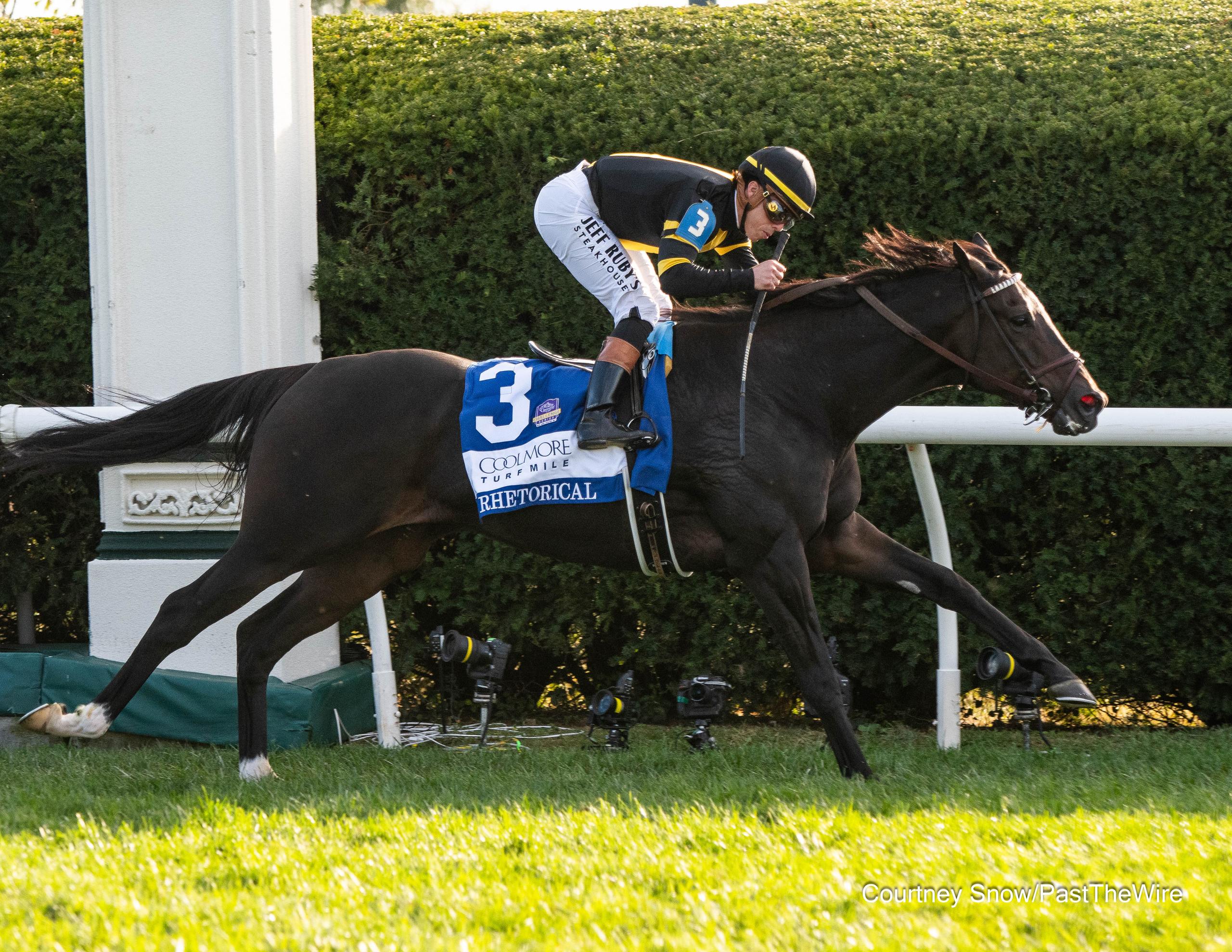

Race classifications, betting types, odds and track conditions are among the first things new horse racing bettors encounter. Understanding what those details mean helps newcomers read a race program, compare the available wagers and prepare for their first race day.
From reading a race program to interpreting odds, several details help explain what happens before horses reach the starting gate. Becoming familiar with these fundamentals makes race day easier to navigate, whether attending a racetrack or following an event online.
Understand How Horse Races Work
Horse races vary in distance, surface, and competition level. These differences shape how each event unfolds and provide important context when comparing participating horses. Understanding the basic structure helps newcomers follow a race card and recognize why certain details matter.
Thoroughbred racing generally takes place on dirt, turf, or synthetic surfaces. Some horses perform consistently across different conditions, while others demonstrate stronger records on particular surfaces. Race distances also vary, ranging from short sprints to longer events requiring sustained stamina.
Races are organized into different classifications, including maiden, claiming, allowance, and stakes competitions. Maiden races generally involve horses that have not won, while claiming races allow eligible horses to be entered for a stated claiming price. Allowance races have specific entry conditions, and stakes events follow their own eligibility requirements.
A race card typically contains several events scheduled throughout the day. Each race features its own field, conditions, and betting markets.
Reviewing these details before selecting a race provides useful background. It also helps new bettors understand why comparing horses requires more than examining their names, previous finishes, or current popularity among spectators at the track.
Get Familiar With Betting Types
Horse racing offers several betting options, each involving a different prediction about the finishing order. Newcomers generally benefit from understanding straightforward selections before exploring wagers involving multiple horses or races.
For those looking to learn how to bet on horse racing, recognizing the differences between common wager types provides a practical foundation. The following options frequently appear on racetrack betting menus:
- Win: Select a horse to finish first.
- Place: Select a horse to finish first or second.
- Show: Select a horse to finish among the first three.
- Exacta: Predict the first two finishers in their correct order.
- Trifecta: Predict the first three finishers in their correct order.
Some tracks also offer combination wagers involving several consecutive races, including Daily Doubles and Pick 3 selections. These wagers require bettors to identify the first-place finisher in each race included in the sequence.
Each wager has its own structure, minimum amount, and selection requirements. Checking these details before submitting a ticket helps bettors understand exactly what their chosen market represents and how the selection will be evaluated after the race.
Learn to Read Horse Racing Odds
Odds communicate how betting activity has shaped the market for each horse. Understanding their format helps newcomers interpret race information and compare the available selections before the starting gate opens.
In American horse racing, odds commonly appear in fractional form, such as 2-1, 5-2, or 8-1. The numbers indicate the potential profit relative to the original stake, rather than directly describing a horse’s performance.
For example, 3-1 odds represent a potential profit of three dollars for every dollar wagered, excluding the returned stake.
Horse racing betting commonly uses a pari-mutuel system. Under this structure, wagers enter shared pools, and payouts depend on the distribution of money among selections after applicable deductions.
Displayed odds change as additional wagers enter the pool, and the price shown when a bet is placed is not locked in. The final payout depends on the closing pool, so it may differ from the odds displayed when the ticket was submitted.
New bettors should distinguish morning-line odds from current odds. Morning-line figures represent an initial estimate, while live odds reflect ongoing betting activity. This distinction helps explain movements throughout race day.
Know What to Check Before a Race
A race program contains valuable information about the horses, jockeys, trainers, and conditions associated with each event. Learning to identify the most relevant details helps newcomers approach race analysis systematically.
Several factors deserve attention when reviewing the field:
- Recent form: Previous race results show how a horse has performed across recent appearances.
- Distance: Past performances at similar distances provide context about a horse’s experience.
- Track surface: Records on dirt, turf, or synthetic tracks highlight relevant racing conditions.
- Jockey and trainer: Their experience and recent records add background to each entry.
- Post position: The assigned starting position provides additional context, particularly in larger fields.
Weather and track conditions also deserve consideration. Rainfall, for example, can change how a dirt or turf course performs throughout the afternoon.
Reviewing these details together creates a more complete picture than focusing on one statistic. New bettors do not need to analyze every available number immediately. Starting with a few consistent indicators makes race programs easier to understand and compare.
Prepare for the Race Day Experience
Race day involves more than reviewing odds and selecting horses. Understanding the schedule, betting procedures, and available information helps newcomers follow each event without unnecessary confusion. At physical racetracks, visitors generally encounter designated betting windows, self-service terminals, and information displays.
Online platforms provide similar information through digital interfaces, although available services depend on state regulations and operator requirements. For online participation, account verification and location requirements deserve attention before race day. Legal eligibility and permitted betting options vary across US jurisdictions.
Arriving early or opening the racing program beforehand allows time to review the scheduled events. This preparation is particularly useful when several races take place within a relatively short period. Bettors should also understand how ticket confirmation works. Checking the race number, horse selection, wager type, and amount helps ensure that the submitted ticket matches the intended choice.
Following the paddock, post parade, and official announcements also adds context to the experience. These moments provide useful information before each field approaches the starting gate, giving newcomers another opportunity to observe the horses and become familiar with the procedures surrounding each race.
Make Race Day More Enjoyable Through Preparation
Horse racing becomes easier to follow when newcomers understand its terminology, betting markets, and race-day procedures. Familiarity with odds, race programs, and different competition formats provides a foundation for interpreting each event.
Starting with the fundamentals also makes the broader racing experience more engaging. Whether following a local meeting or a major national event, preparation helps new bettors appreciate the details that make every race distinctive.