
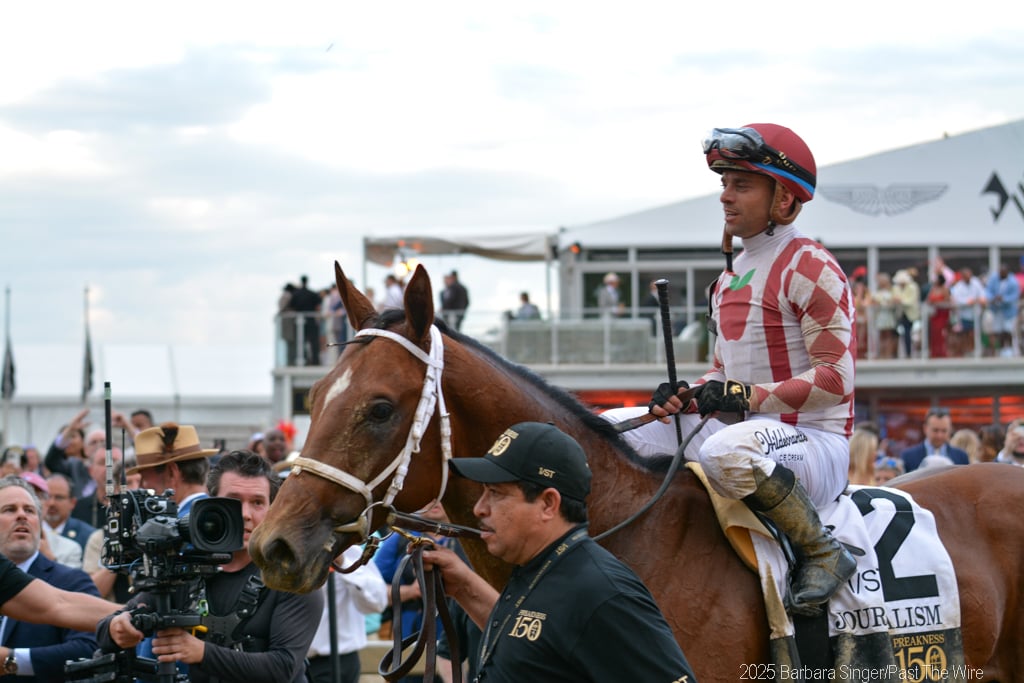

The countdown to the 2026 Preakness Stakes is underway, with Saturday, May 16, 2026, circled on every racing fan’s calendar. As the second leg of the Triple Crown, it always carries weight, but this year feels different.
A temporary move to Laurel Park has introduced fresh uncertainty, significantly shifting expectations and prompting a much closer look at how this race may unfold compared to previous editions.
Familiar patterns still matter, yet many are focusing on subtler signals, track behavior, pace dynamics, and contender readiness that could shape the outcome in ways we don’t typically see.
The “Laurel Factor”: Track Geometry and Surface
The shift to Laurel Park has quickly become the defining storyline. Pimlico has long provided a familiar backdrop, but Laurel introduces a slightly different rhythm, particularly given its unique layout and surface, one that bettors are studying closely.
Laurel’s tighter turns demand balance and positioning, putting focus on horses that can navigate corners smoothly without losing momentum. Its longer homestretch further shifts attention toward runners with a strong late kick rather than those reliant on early speed.
Surface familiarity also matters. Horses with experience at Laurel or those from barns that train regularly on similar tracks are gaining interest. Observers are watching how workouts translate to race-day performance under these conditions.
That evolving understanding is already reflected in pricing, with bettors tracking how the market responds to surface conditions and early wagering patterns, and often checking the latest Preakness Stakes odds to monitor real-time shifts as money comes in.
Pace Scenarios and Field Size
The Preakness typically features a smaller field than the Kentucky Derby, and that alone changes the conversation. Fewer horses mean fewer variables and a clearer picture of how the race might develop.
Bettors are focused on how the early pace may unfold. A lone front-runner can control the tempo, while multiple speed horses create a more competitive opening stretch, shaping how the rest of the race develops.
Key points bettors are tracking:
- Smaller field reduces traffic issues,
- Tactical positioning becomes more important,
- Race shape is easier to anticipate.
Horses that can sit just off the lead often attract attention, especially when the pace looks contested. In more controlled setups, early leaders can hold their advantage longer than expected.
This clarity allows bettors to begin shaping their tickets early, particularly for exactas and trifectas, well before final odds and entries are set, where understanding the flow of the race can make a significant difference.
Contender “Freshness” vs. Derby Fatigue
Every Preakness brings a familiar debate: stick with Derby-tested runners or look toward fresh faces entering the field. This year’s edition is no different, though the Laurel factor adds another layer to the discussion.
Derby participants arrive with proven form, but the quick turnaround raises questions. Bettors watch for energy in workouts and pre-race appearances, as some horses carry momentum forward while others show signs of wear.
“New shooters,” on the other hand, arrive with more targeted preparation, having skipped the Derby to focus on peaking for the 1 3/16-mile Preakness distance, an approach that often draws added interest from bettors looking beyond the obvious contenders.
The evolving field is being tracked closely through sources like the 2026 Preakness Stakes G1, where updates on entries and probable starters provide a clearer picture of how this balance between experience and freshness is shaping up.
Trainer and Jockey Trends
Connections always play a role in how a race is viewed, and the Preakness is no exception. Certain names carry weight, and their presence alone can shift how a contender is perceived, especially among bettors tracking trainer reputations.
High-profile trainers such as Bob Baffert, Todd Pletcher, and Brad Cox consistently draw attention. Their track records in major races create confidence among many bettors, often leading to strong early support.
Jockey assignments add another layer. A late change in rider or a high-profile pairing can alter expectations quickly. Observers often look for combinations with proven chemistry, especially in high-pressure races.
Local experience also matters this year, as trainers familiar with Laurel Park’s nuances bring an added dimension. Their understanding of how the surface plays, especially in changing conditions, can influence outcomes in ways not always obvious on paper.
Late Market Signals
As race day approaches, attention shifts to the final movements on the board, with bettors closely monitoring late changes in odds and betting activity. The last stretch before post time often reveals patterns that weren’t visible earlier in the week.
Bettors are watching for:
- Sudden drops in odds on less prominent horses,
- Contenders drifting despite earlier support,
- Rapid changes in the final minutes before the gates open.
These shifts can signal increased backing from experienced players or a change in sentiment about a horse’s chances. Online wagering platforms have accelerated these movements, allowing odds to adjust almost instantly.
Timing becomes critical, with many bettors waiting until the final minutes to finalize selections using late signals as a guide. A horse drawing quiet but steady support can quickly become a focal point, even if it wasn’t in the early conversation.
Betting Patterns and Market Trends
Track conditions, pace scenarios, and contender readiness are all shaping how the market is forming ahead of the race. Each factor adds a layer of interpretation, creating a more fluid lead-up than what is typically seen in a standard Preakness build-up.
The move to Laurel Park has created a more balanced field, with heavy favorites less dominant and mid-tier contenders gaining attention. Adaptable horses suited to varying pace setups and surface conditions are drawing steady interest.
Adjustments are happening in real time as workouts, field updates, and late developments influence the board. Bettors continue refining selections using pace analysis and recent form, keeping expectations in motion rather than settling early.
The Signals Coming Together
As the 2026 Preakness Stakes draws closer, the picture remains fluid. Laurel Park has introduced new variables, while familiar factors, pace, preparation, and connections, continue to guide the conversation.
No single angle tells the full story. Instead, bettors are piecing together multiple signals, from track behavior to late market movement, to form a clearer view of how the race might unfold.
That process continues right up to the start, with the most telling clues often emerging late and rewarding those who stay attentive. By post time, the groundwork is set, leaving the final edge in identifying which signals matter most.
*Content reflects information available as of 08/04/2026; subject to change