


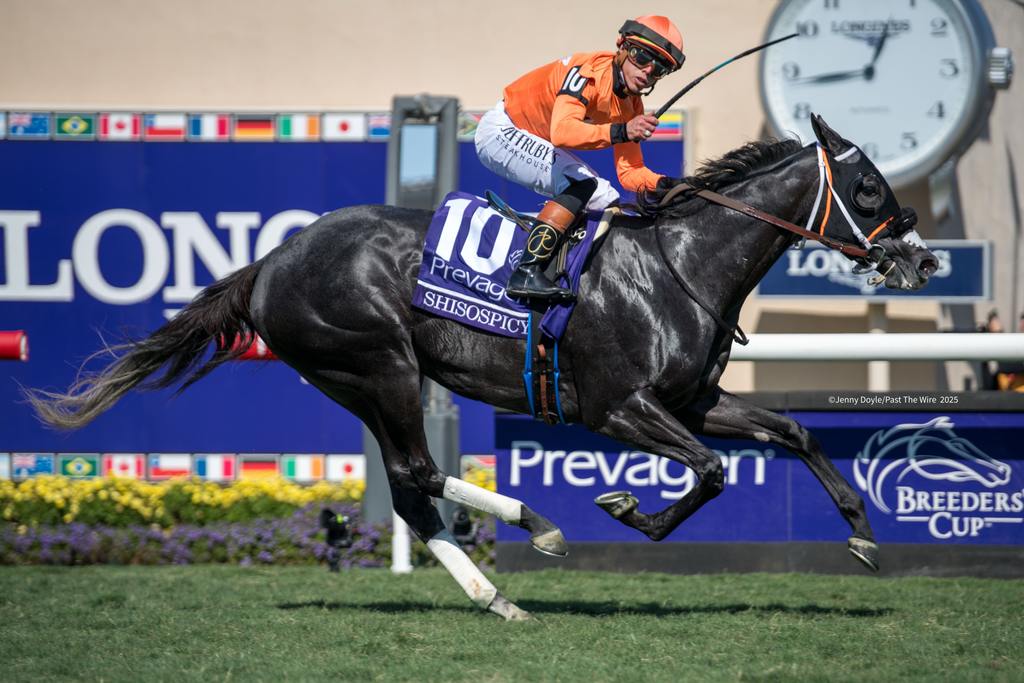
Horse racing offers no shortcuts. The horses do not care about your last bet, your winning streak, or the money you lost three races ago. They run the same race regardless of what you feel about it. This disconnect between a bettor’s internal state and the external reality of the track creates a problem that most people never solve. The bettor who fails to recognize this gap will make decisions that have nothing to do with the race in front of them and everything to do with what happened before or what they hope will happen next.
Professional bettors treat horse racing as a probability exercise. They accept that favorites win about 33% of the time, which means roughly 2 out of every 3 races will not produce the expected winner. This fact alone should inform how anyone approaches a day at the track. Yet most bettors ignore it. They let each loss accumulate as frustration and each win inflate their confidence. Both reactions lead to the same place: poor decisions made for reasons that have nothing to do with the actual horses running.
The Brain Works Against You
Human beings are poor at assessing probability under pressure. Research published in the Journal of Political Economy found evidence that bettors consistently overvalue longshots and undervalue favorites. A horse given 2-to-1 odds by the market might have true odds closer to 1.5-to-1. A 100-to-1 longshot may in reality be closer to 300-to-1. This pattern, called the favorite-longshot bias, persists because people respond to the appeal of a big payout rather than to the math behind it.
This bias does not come from ignorance. It comes from how people process risk and reward. Prospect theory suggests that the subjective weight people assign to unlikely outcomes differs from the actual probability of those outcomes. A 1% chance feels bigger than 1% when the potential reward is large. This mental distortion pushes bettors toward wagers that make them feel something rather than wagers that offer value.
Using Resources to Ground Your Decisions
Flat betting works because it removes the temptation to increase wagers after a win or loss. A bettor who commits to risking 1-2% of their bankroll on each race has no room for emotional adjustments. The structure itself becomes the discipline. Odds comparison tools, handicapping databases, and resources like this list by Oddspedia give bettors external reference points that reduce reliance on gut feelings or in-the-moment reactions.
Favorites win roughly 33% of the time, which means most races end without the expected result. Bettors who anchor their decisions to research and data rather than emotional impulses survive longer losing streaks and avoid reckless late-race bets.
Winning Creates Its Own Problems
A strong afternoon at the track can ruin the next three weeks of betting. This sounds counterintuitive, but it happens constantly. A bettor who wins big in the early races begins to treat subsequent wagers differently. The money feels like house money. The rules that protected the bankroll before suddenly seem too conservative. Bet sizes increase without any corresponding increase in edge.
The same research that documents the favorite-longshot bias also reveals that bettors become riskier as a session progresses, particularly after losses. But the pattern after wins is equally destructive. Overconfidence leads to larger positions, and larger positions mean that a single loss can erase multiple previous gains. Flat betting eliminates this problem entirely. A 1-2% unit size does not change based on how the day is going.
Losing Demands Even More Control
A losing streak tests discipline in the opposite direction. The impulse to recover losses quickly is strong enough that it has its own name in the literature: loss chasing. A bettor who has dropped 4 or 5 races in a row will often look for a big score in the late races to get even. This behavior ignores the fact that the late races offer no better value than the early ones. The only thing that has changed is the bettor’s emotional state.
Desperation wagers on late races typically involve longshots, which brings the favorite-longshot bias back into play. The bettor convinces themselves that a 20-to-1 shot offers a path back to even. In reality, that horse is probably mispriced by the market in the other direction. The true odds are often worse than the posted odds on longshots, not better.
Systems Replace Judgment
The unit system exists specifically to remove judgment from bet sizing. A bettor who decides in advance to risk a fixed percentage of their bankroll on each race has nothing to decide in the moment except which horse to back. This separation of concerns matters. Choosing a horse based on handicapping data is one skill. Managing money is another. Mixing the two in real time, while wins and losses accumulate, creates conditions where neither task gets done well.
Professional strategies all share this characteristic: they impose rules that prevent emotional decisions. The rules do the work that willpower cannot sustain over dozens of races.
The Long View
Successful betting over a full season requires accepting that most individual races will not go your way. The 33% win rate for favorites means that a bettor who only backs favorites will lose most of the time. The profit comes from proper pricing and disciplined bankroll management over hundreds of wagers. No single race matters enough to justify abandoning a system that works over time.
This perspective is difficult to maintain in practice. Each race feels like its own event with its own stakes. But the math operates across the full sample. A bettor who can hold this in mind, who can treat a Tuesday afternoon loss the same as a Saturday afternoon win, has solved the harder half of the problem.
Conclusion
Betting on horse racing rewards those who can separate what they feel from what they do. The data shows that human judgment bends in predictable ways under uncertainty, favoring longshots that offer poor value and reacting to wins and losses in ways that compound mistakes. Flat betting, unit systems, and external research tools exist to counter these tendencies. The discipline to use them consistently, race after race, separates bettors who survive from those who do not. The horses will run the same way regardless of what you bring to the window. The only variable you control is yourself.