

A big match used to mean one stake on one paper slip, then ninety minutes of waiting. Now live odds flicker, notifications pull you back to the app, and almost every corner or free kick turns into a new decision.
Where fast markets meet quick impulses
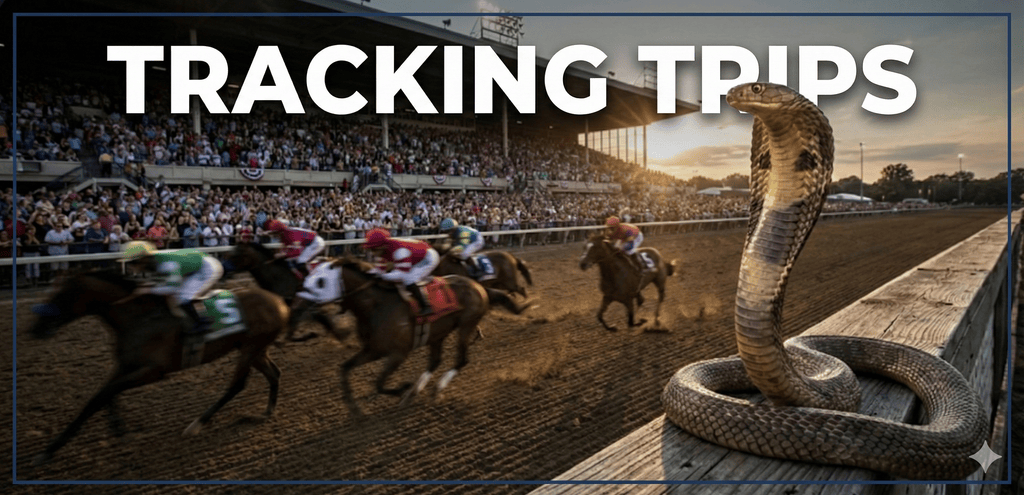
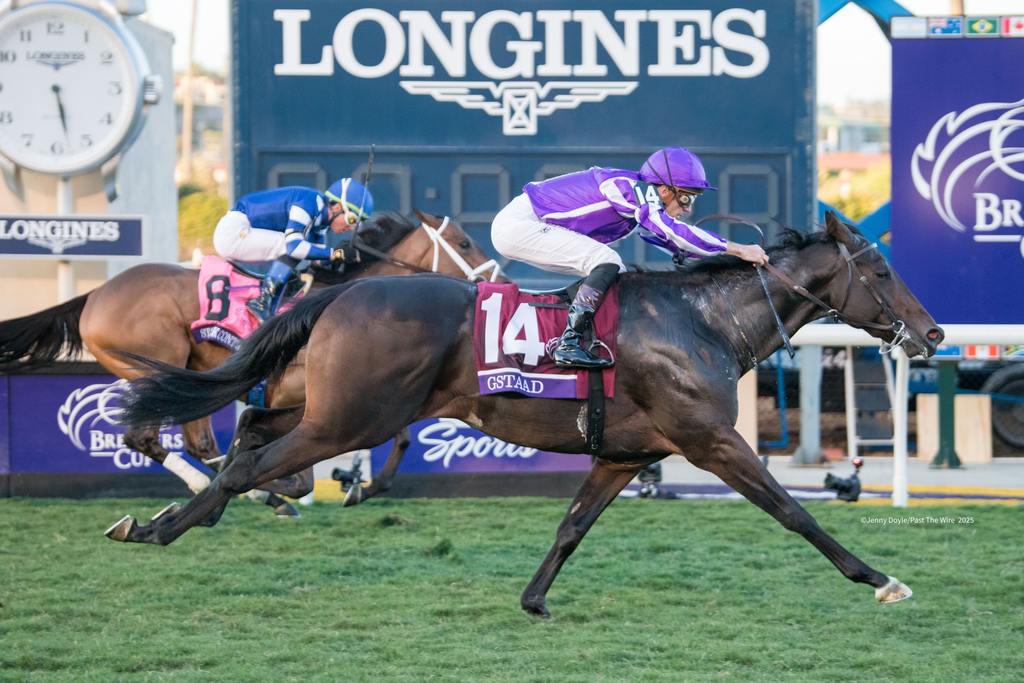
Horse racing and in play markets show this best. Races start every few minutes, odds react to every piece of news, and streams sit next to live prices. On platforms that offer Bets10 horse racing, football, tennis and casino games in one place, a bettor can move from one kind of risk to another in a few taps.
The brain does not switch modes that fast. Someone who checks form guides and stakes carefully before the first race can start chasing by the fifth. The problem rarely comes from one bad decision. It usually comes from a series of small, rushed clicks that look harmless on their own.
Short pauses help more than complex systems. A short pause after a loss, even just a couple of minutes, slows things down in an environment where everything else pushes for speed.
Emotional swings and the pull of near misses
Modern products use the same psychological levers that psychologists describe in lab studies. Near misses are a clear example. A bet loses by one point, one corner, one lap, and it feels closer to a win than it really was.
In slots and virtual games, near wins appear often on purpose. In sport it happens naturally, but the effect is similar. Many people raise stakes after a narrow loss because it feels like “form is right” and only luck failed. The numbers do not support that feeling, yet the body reacts as if a reward almost arrived.
That is why it helps to decide stake sizes away from the screen. Limits set while rested and calm work better than limits set after a last minute equaliser. A written range for stake sizes does not remove emotion, it just stops emotion from writing the next number.
Design choices that amplify volatility
Digital environments carry their own risk layer. In Europe this is no longer a theory. The Digital Services Act even names manipulative “dark patterns” as a risk and puts clear duties on platforms that use them.
Sportsbooks and casino apps use tools that also appear in social networks. Infinite scrolls of markets, bright “boosted” odds, default stake buttons and time limited banners all push for quick action. Lately, “addictive design” is being discussed in TV studios and at regulators’ tables, while many betting apps quietly reuse the same attention tricks under different colours and logos. Typical examples look like this.
- Default stakes that are higher than what most people would type themselves.
- Timers next to offers that restart as soon as they run out.
- Pop ups that highlight recent wins and hide long losing stretches.
Taken one by one, these details look harmless, but spolu they make it easy to lose track of how the whole night went and focus only on the last ticket. It helps to add a few simple brakes of your own, like muting notifications, betting only in set time slots, and using a separate balance you are honestly prepared to lose.
Small habits that keep control
Volatility is part of sport and betting, but it doesn’t have to touch your sleep or relationships when your stakes follow your own budget instead of every promotion.
A simple monthly budget, split into fun, savings and regular expenses, gives sports bets a defined corner. When the “fun” money is gone, the next bets wait for the next month. The app can still flash new chances, but the numbers in online banking stay the final word.
The digital environment pushes for speed. The person who slows the tempo down on purpose quietly gains a real edge.