


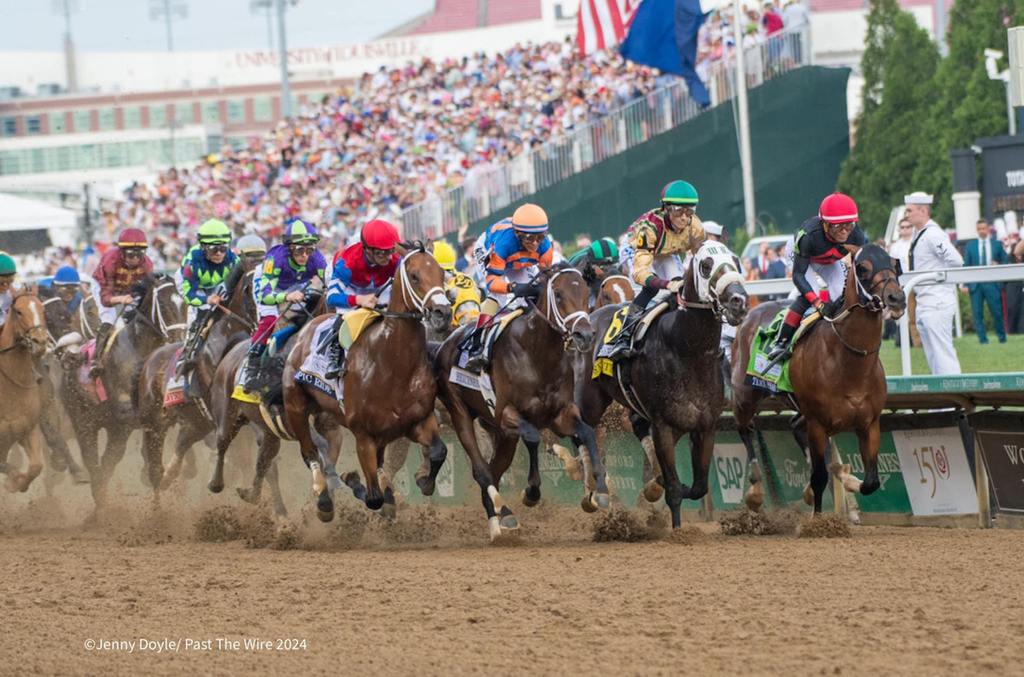
Twenty horses charge over a mile and a quarter, with the roar at Churchill Downs building before the gates even open. The Kentucky Derby isn’t just another race; it’s a puzzle where data, instinct, and timing collide.
Every bettor is searching for an edge, yet the Derby rarely rewards simple answers. A fast horse isn’t always the right pick, and a heavily backed favorite doesn’t always deliver when the pressure peaks.
The real challenge lies in weighing multiple signals, performance metrics, race dynamics, and market sentiment to form a complete picture of each contender. That’s where informed decision-making begins.
Speed Figures: Establishing the Talent Baseline
Speed figures act as the Derby’s first filter, answering a simple question: Does this horse have the raw ability to compete at this level? They give bettors a quick way to separate legitimate contenders from the rest of the field.
Metrics like Beyer Speed Figures and Brisnet ratings standardize performances across tracks. Most Derby winners post a Beyer around 95 or higher or a triple-digit Brisnet in a prep, levels typically needed to stay competitive late and remain relevant in the betting pool.
Numbers alone don’t tell the full story; context adds clarity. A 98 at nine furlongs carries more weight than a higher sprint figure, as distance, competition, and conditions all shape how meaningful a number is when forming betting opinions.
Another layer is the “bounce” effect. Horses coming off a career-best prep can regress next time out, a factor bettors weigh when deciding if that standout effort is repeatable on Derby day.
Pace Dynamics: Projecting How the Race Will Unfold
If speed figures show who can win, pace dynamics often reveal who gets the chance. The Derby’s size creates early chaos, with position battles and opening fractions shaping how the race is likely to unfold.
Three common scenarios tend to emerge:
- A fast, early duel that exhausts front-runners and sets up late closers,
- A controlled tempo that allows a leader to dictate terms,
- A balanced pace that favors horses sitting just behind the leaders.
Stalkers have become the most dependable profile, sitting close enough to avoid traffic while conserving energy for the stretch. That balance often proves effective, making them consistent considerations in betting strategies.
Closers add intrigue when the pace turns aggressive, but their runs depend on how the race unfolds. Front-runners face pressure in crowded fields, making race shape less guesswork and more about how bettors read those interactions.
Recent Form & Prep Races: Identifying Peak Form
Talent alone isn’t enough; timing matters. The “Road to the Derby” prep races offer the clearest window into current form, helping bettors spot which horses are improving at the right moment.
Certain patterns stand out. Horses with two prep races as three-year-olds often arrive fresher, while strong finishing fractions signal the stamina needed for the Derby distance. Performances in major prep races also carry added credibility.
A fast-closing final furlong can reveal more than a wide-margin win, showing a horse finishing with energy rather than fading late. That kind of effort often translates better to the demands of Churchill Downs.
Momentum is key. As the prep season unfolds, tracking the latest Kentucky Derby 2026 contenders shows which runners are rising and which may have peaked. Form shifts, and recognizing where each horse stands can shape stronger selections.
Post Position: Shaping the Trip Before the Race Begins
The starting gate adds a layer of geometry that can’t be ignored. In a 20-horse field, position shapes how easily a horse settles into its style, with some draws offering clean paths and others forcing tough decisions that can define the race early.
Historical patterns offer useful clues:
- Post 5 has produced more winners than any other,
- Post 10 consistently places horses in strong positions early,
- The rail can lead to traffic trouble if a horse doesn’t break sharply,
- Post 17 remains a stubborn outlier with no winners.
Distance traveled matters as well. Horses forced wide around turns cover extra ground, which can take a toll late, especially in the demanding final stretch, something bettors factor into trip projections.
Post position matters more when paired with running style. A closer outside may settle comfortably, while a speed horse inside faces immediate pressure. Every draw shapes the likely trip and how bettors evaluate each contender.
Market Odds: Finding Insight in Public Perception
Odds reflect how the betting public views the race. They speak less to certainty and more to collective opinion, shaped by recent performances, narratives, and perception.
Favorites have held up well in recent years, yet the Derby still delivers surprises. Dominant prep wins can inflate expectations, while consistent performers sometimes receive less attention than they deserve.
Reading the market requires context. Comparing your analysis to current pricing can reveal where opinions differ. A horse that looks strong on paper but drifts may be overlooked, while one attracting heavy support could be drawing attention beyond its recent form.
When evaluating contenders, reviewing Kentucky Derby betting odds shows how the market is pricing each horse in real time, alongside key details like contenders and emerging race positions, with late shifts often signaling increased interest from experienced players.
Turning Factors Into Informed Decisions
Successful Derby betting isn’t about checking boxes. It’s about weighing variables against each other. Each factor only gains meaning when viewed alongside the others.
Each factor plays a role, but not equally. A practical approach often looks like this:
- Pace dynamics carry the most influence, shaping how the race unfolds,
- Speed figures confirm whether a horse can compete,
- Recent form shows readiness and stamina,
- Post position adjusts expectations around race positioning,
- Market odds provide context for how others see the field.
Picture two contenders: one with elite speed but early pressure, the other with slightly lower numbers and a smoother trip. The latter may hold the stronger case, better aligned with how the race is likely to unfold.
The Derby’s Unpredictable Edge
Even the most thoughtful analysis meets uncertainty on Derby day. A slow break, a crowded turn, or a sudden pace shift can rewrite the script in seconds, especially in a tightly packed field early.
That unpredictability is part of the appeal, pushing bettors to think beyond single metrics and consider the full picture, especially when outcomes rarely follow expected patterns.
The most effective approach blends preparation with flexibility. Understanding how speed, pace, form, position, and market sentiment interact creates a clearer view, as the Derby rewards those who can read between the lines.
*Content reflects information available as of 02/04/2026; subject to change