


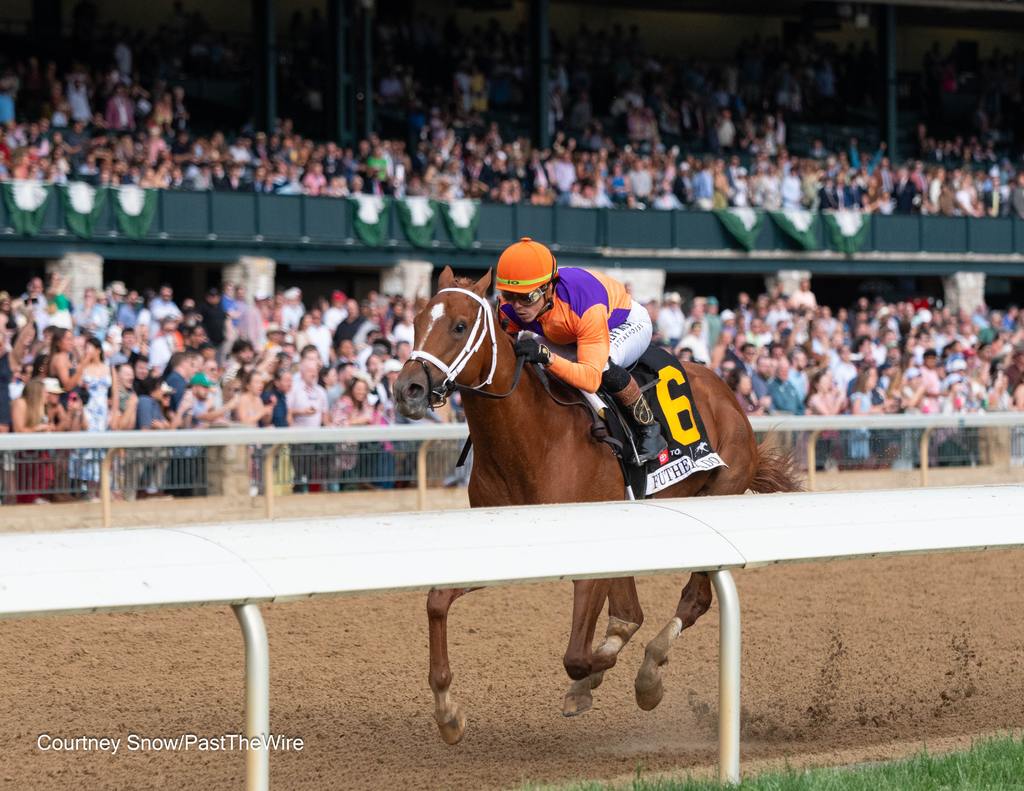
In horse racing, odds are more than numbers on a board, they are a language. For experienced bettors, they represent probability, sentiment, and opportunity all at once. A horse listed at 5/1 is not simply expected to win less often than a favourite; it reflects how the market interprets its chances based on form, conditions, and collective opinion.
Understanding this language is what separates casual betting from a more disciplined, value-driven approach. And while horse racing offers one of the clearest examples of how odds function, the principles behind it extend far beyond the track.
What Odds Really Represent
At their core, odds are a translation of probability. They express how likely an outcome is to occur, adjusted by bookmaker margins and market behaviour. But unlike pure mathematical probability, racing odds are shaped by multiple factors:
- past performance (form)
- track conditions
- jockey and trainer influence
- public betting patterns
This combination makes odds dynamic. They shift in response to information, sometimes subtly, sometimes dramatically. For bettors, these movements are not noise, they are signals.
Recognising when odds accurately reflect probability, and when they don’t, is the foundation of value betting.
The Concept of Value
Value is one of the most important, and often misunderstood, ideas in betting. It does not mean picking winners consistently. It means identifying situations where the odds offered are better than the true probability of an outcome.
For example, if a horse has a realistic 25% chance of winning (equivalent to 3/1 odds), but is priced at 5/1, there is value in that selection. Even if the horse loses on a given day, the decision itself is sound over the long run.
This distinction is critical. Betting success is not measured by individual results, but by the quality of decisions across time.
Markets, Movement, and Information
Horse racing markets are highly responsive. Odds can shorten or drift based on new information, changes in weather, late scratches, or shifts in betting volume.
These movements reflect how the market processes information collectively. In some cases, they highlight genuine changes in probability. In others, they reveal overreactions driven by public sentiment.
Learning to interpret these patterns is a skill. It requires understanding not just the numbers, but the behaviour behind them.
Probability Thinking Beyond the Track
The discipline developed in horse racing, thinking in probabilities, recognising value, and interpreting markets, applies to other structured betting environments as well.
The discipline developed in horse racing, thinking in probabilities, recognising value, and interpreting markets, applies to other structured betting environments as well.
In racing, bettors analyse form guides, sectional times, track bias, and shifts in odds to assess where value may exist. The same mindset extends to systems built on defined probability models, where elements such as pricing, payout structures, and long-term distribution shape how outcomes unfold over time. Seen through this lens, gambling at MrQ reflects the same underlying principles found in racing markets, where probability, expected value, and informed decision-making, not short-term outcomes, define the experience. This continuity is what makes horse racing such a valuable foundation for understanding betting more broadly.
The Role of Discipline
One of the defining traits of successful bettors is discipline. In racing, this means:
- avoiding impulsive selections
- sticking to a defined approach
- accepting that losses are part of the process
Discipline is closely tied to value thinking. When decisions are based on probability rather than emotion, short-term outcomes become less significant.
This is not easy. Racing is unpredictable, and even well-reasoned bets can lose. But over time, disciplined decision-making tends to produce more consistent results.
Historical Foundations of Betting Markets
Horse racing has long been at the centre of betting culture. Its structured format, measurable outcomes, and frequent events made it an ideal environment for early bookmakers and organised wagering.
Institutions such as the The Jockey Club have played a significant role in shaping the sport and its regulatory framework. Their influence extends beyond racing itself, contributing to the development of systems that emphasise fairness, transparency, and consistency.
These foundations continue to influence how modern betting environments are structured.
Variance and Long-Term Thinking
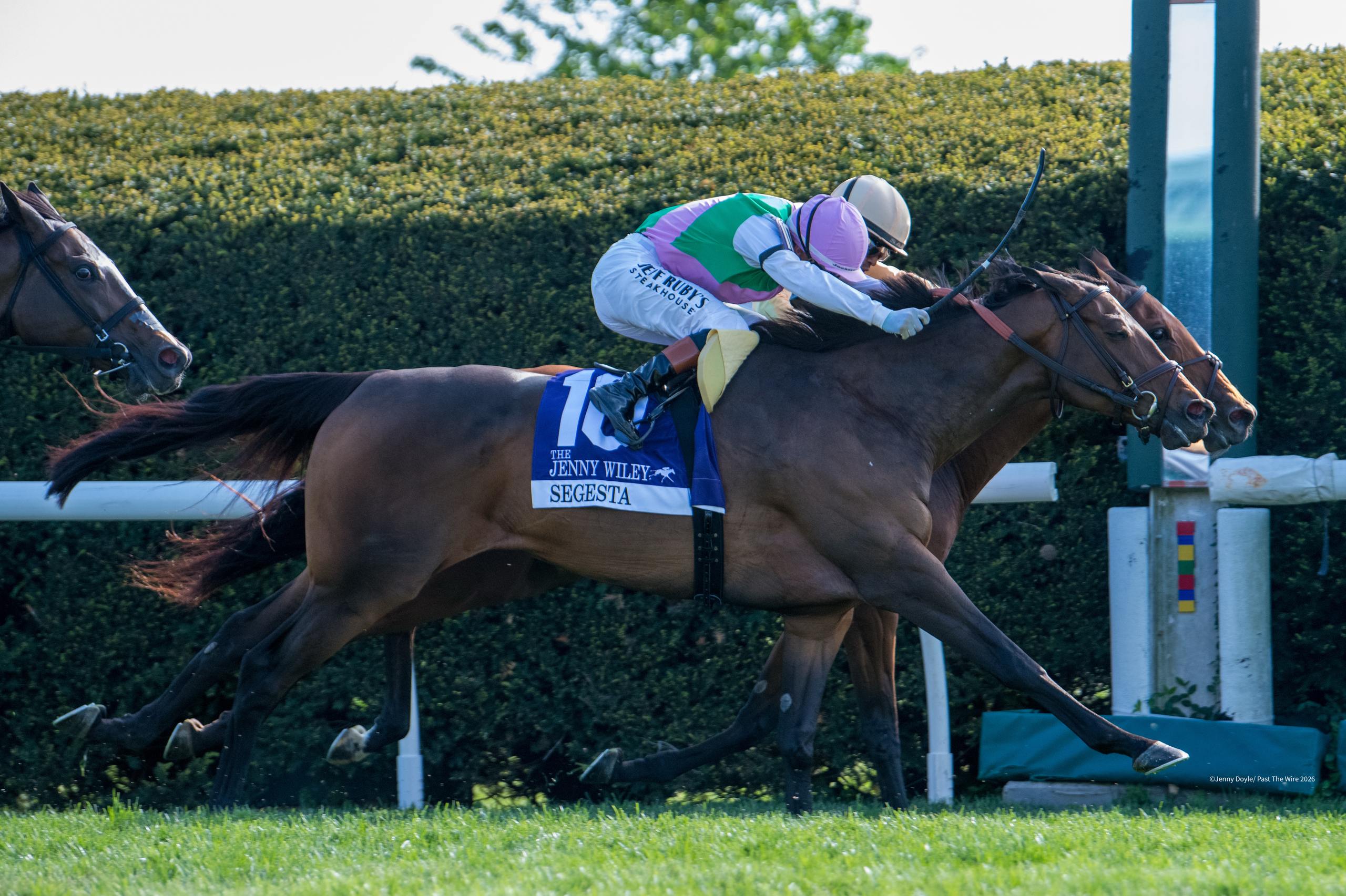
Even the most carefully analysed race can produce unexpected results. A horse may stumble at the start, encounter traffic, or simply underperform. These factors introduce variance, short-term deviations from expected outcomes.
Understanding variance is essential for maintaining perspective. A losing streak does not necessarily indicate poor decision-making, just as a winning streak does not guarantee long-term success.
The goal is not to eliminate variance, but to operate effectively within it.
Why Winners Alone Don’t Define Success
It is tempting to judge betting success by the number of winners selected. But this can be misleading. A bettor who consistently finds value may still experience losing runs, while someone focused only on favourites may achieve short-term success without long-term sustainability.
What matters is alignment between probability and price. When decisions consistently reflect this alignment, results tend to follow over time.
This is why experienced bettors often focus less on individual outcomes and more on whether their reasoning was sound.
A Broader Perspective on Betting
Horse racing offers one of the clearest frameworks for understanding how betting works. It combines measurable performance, dynamic markets, and transparent odds into a system that rewards informed decision-making.
The lessons it provides, thinking in probabilities, recognising value, and maintaining discipline, are not limited to the sport itself. They form the basis of a broader approach to betting that emphasises structure over instinct.
Reading the odds is not about predicting the future with certainty. It is about interpreting probability, understanding value, and making decisions within a structured system.
Horse racing, with its rich history and dynamic markets, remains one of the best environments to develop this perspective. It teaches that success is not about avoiding uncertainty, but about navigating it with clarity and consistency.
And in that sense, the lessons learned at the track extend far beyond it.