


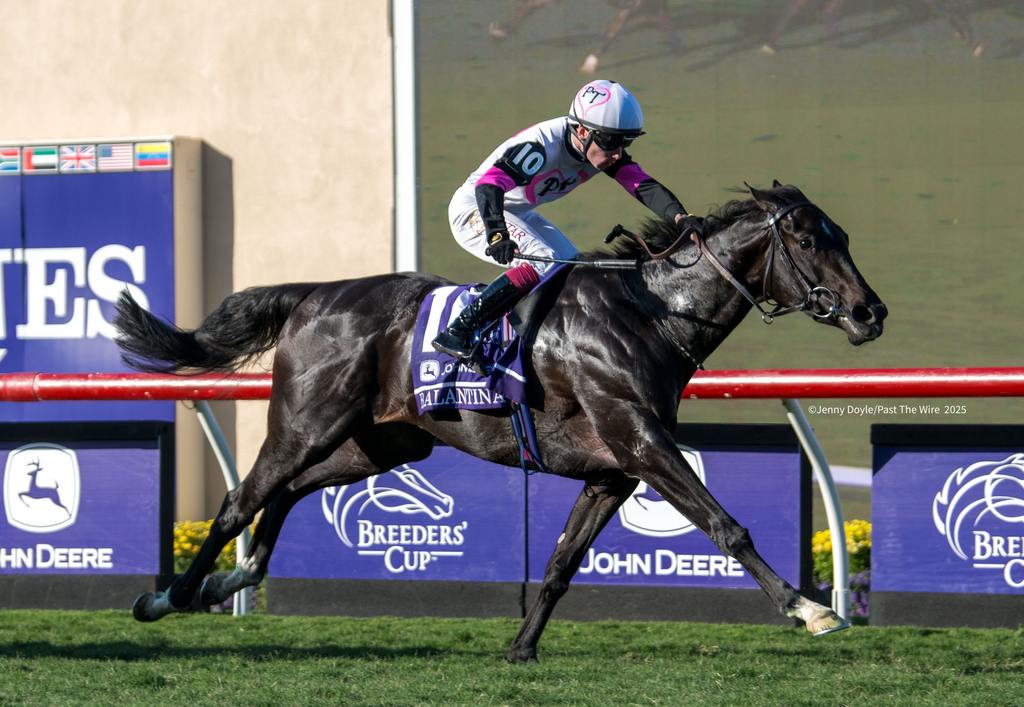
Track condition is not a background detail. It is the surface every runner must grip, push, and balance on, and it can change how a race is run. A dry, tight track can help speed carry. A wet, tiring surface can reward runners who stay comfortable and keep their rhythm. A cleaner read of the surface leads to cleaner tickets and fewer surprises.
Track Terms That Matter
The official condition label is the track’s quick shorthand, not the full story. It tells how the surface is expected to feel underfoot, which helps frame pace, trips, and how certain horses tend to respond.
- Fast: Firm, consistent footing with clean traction and fewer surprises in how the surface feels,
- Good: Light moisture in the track, often a touch looser or slower than a true fast surface,
- Yielding or Soft: Turf with noticeable give that can blunt sharp acceleration and favor steadier, balanced movers,
- Sloppy: Sealed and wet, with water sitting on top and a sharper kickback for horses racing behind,
- Muddy: Wet with more depth, heavier going, and thicker spray that can make trips tougher and more tiring.
Individual tracks with the same surface can still play differently. Some dirt ovals drain fast, regaining fairness after a few races. Others retain moisture, forming strips that favor specific paths. Turf courses vary widely due to grass type, root depth, and protection methods.
Early in the card, checking live updates and race replays is worth the time. Odds alone can’t explain why a horse struggled, and sometimes that’s because it disliked the footing. Many bettors track conditions through results, pools, and tools like FanDuel Racing, then compare what they learn with what the track announces.
Dirt Tracks and How They Play
Dirt tracks can change shape during a single afternoon. After rain, crews may seal the surface to keep water from soaking in. A sealed track can become tighter on the surface, which sometimes helps horses that stay near the pace. As the seal breaks, the track can turn heavier, and late energy becomes more valuable.
Kickback matters on wet dirt. Some horses resent mud in the face and never settle. Watching how a runner handles spray in prior off-track races can reveal a lot. Past performances often include notes like stumbled, hung, or lacked response. Those clues matter more when the footing is messy.
Path can be the hidden variable. On some days, the rail holds firm while the outside feels deeper. On other days, the crown creates a better footing on a few paths off. When the first few dirt races show a pattern, it‘s smart to adjust pace expectations and upgrade horses likely to travel on the better lane.
Turf Changes and Firmness Clues
Turf condition influences stride, traction, and how quickly a horse can change gears. Firm turf rewards quick acceleration and clean footing. Softer turf can favor runners with longer, grinding strides who stay balanced through the lane. It also changes how riders time their moves. A burst that works on firm ground can stall when the going is soft.
The most useful clue is how the course plays relative to its label. Some tracks call it good, but it feels closer to yielding because the ground hasn’t yet dried under the canopy of trees or in shaded turns. Wind can dry the straight while the far turn stays soft. That unevenness can affect where riders position their mounts.
Course layout matters too. It can decide who travels comfortably and who fights the track. Tight turns on softer turf often break rhythm and make it harder for long-striding horses to build momentum. Wider, sweeping turns give runners more room to stay balanced and keep a steady stride through the bend.
Reading Bias and the Day’s Pattern
Bias is not a rumor. It is a pattern that shows up when one running style or one part of the track performs better than expected across multiple races. The key is to separate real bias from random outcomes. One wire to wire win may not prove anything. Three races with similar flow and similar path advantages can.
Start with pace and position. If leaders keep going despite prior evaluations, the surface may be helping speed. If closers keep arriving even when the pace looks moderate, the track is favoring late runners. Next, watch paths. If winners keep angling off the rail, that’s information.
Trip notes bring it together. A horse that raced wide on a day when the inside was best may deserve an upgrade next time. A horse that saved every inch on a golden rail may look better on paper than it was in reality. Building a simple race day log, even brief notes, makes these patterns valuable.
How to Use Conditions in the Past Performances
Off-track form is often treated as a niche detail. It is a core part of surface evaluation. Look for lines that show competitive efforts on sloppy, muddy, yielding, or soft. A single strong run can signal comfort. Multiple poor runs can signal dislike, unless the horse had a clear excuse like trouble or an unsuitable distance.
Pedigree can help when evidence is limited. Some sires consistently produce runners who handle mud or softer turf. Still, pedigree works best as a tiebreaker, not the main reason for backing a horse.
Trainer intent matters as well. Some barns enter confidently in the slop and have strong records with off-track starters. Others scratch often or show weaker results.
Style also connects to footing. A frontrunner that controls pace can become more effective on a sealed wet track. A horse that relies on a sharp turn of foot may need firm turf to show its best. Use conditions to refine each runner’s expected performance, then compare that expectation to the projected race shape.
Turning the Surface Into a Smarter Plan
Track conditions shape how races unfold, but the edge comes from reacting to what the surface is doing today. Combine the official label with evidence from earlier races, path tendencies, and how horses handle kickback and footing.
Keep a steady routine. Check weather and maintenance notes. Watch the first two races with bias in mind. Make quick trip notes and apply them to the races that matter most.
When conditions shift, adjust instead of forcing an early opinion. A drying track or a sudden shower can change the playbook. Reading the surface well keeps the focus on what is real on race day.