

The Breeders’ Cup brings together elite horses, contrasting racing styles and some of the deepest fields of the season. When the World Championships return to Keeneland on October 30 and 31, 2026, many of racing’s leading international championship contenders will be under the spotlight.
Plenty can change before the gates open. Final prep races, entries, post positions and changing track conditions will gradually sharpen the championship picture, giving bettors new information to consider as the final confirmed fields take shape and race weekend steadily approaches.
The 2026 Breeders’ Cup Dates and Schedule
The 43rd Breeders’ Cup World Championships will take place at historic Keeneland Race Course in Lexington, Kentucky. The annual two-day meeting will feature 14 prestigious Grade 1 races and in excess of $34 million in total purses and awards.
Friday and Saturday feature championship races across different ages, distances and racing surfaces. Under the current schedule, Saturday builds toward the Filly & Mare Sprint, Mile, Distaff and Turf before the $7 million Breeders’ Cup Classic.
NBC Sports has announced 10.5 hours of live championship coverage across NBC, Peacock and USA Network. The final race order and exact post times are expected on October 21, giving bettors the complete weekend schedule shortly before the championships begin.
Betting Basics Before Breeders’ Cup Weekend
A championship card offers plenty of wagering choices, so understanding the basic bet types beforehand helps. Bettors can then compare where to bet on the Breeders’ Cup and the options available, while remembering that pari-mutuel prices can change as money enters the pools.
Straight Wagers
Win, place and show are the simplest wagering formats. A win wager requires the selected horse to finish first, while a place wager covers a finish in either first or second.
A show wager extends that range to the first three finishing positions. Each format focuses solely on the performance of a single horse, making them more straightforward than complex wagers involving multiple horses or races.
Exotic Wagers
Exactas, trifectas and superfectas involve predicting multiple finishing positions within the same race. An exacta requires selecting the first two finishers in the correct order, while trifectas extend that requirement to the first three finishers. Superfectas cover the first four.
The additional finishing positions make these wagers progressively more complex than selecting a single horse to win, place or show in isolation.
Multi-Race Wagers
Pick 3, Pick 4 and Pick 5 wagers cover a sequence of consecutive races on the same card. Instead of predicting several finishing positions within one contest, bettors must correctly select the winner of each race included in the chosen multi-race sequence.
The number indicates how many races the wager covers. A Pick 3 requires three consecutive winners, for example, while a Pick 5 extends the sequence across five races.
Key Racing Factors at Keeneland
Past performances provide the foundation for handicapping, but the setting matters as well. Strong form under one set of conditions doesn’t always translate to another, particularly when bettors compare championship contenders from different racing backgrounds.
Key factors to consider before placing a wager include:
- Surface: Compare previous dirt or turf form with the surface at Keeneland,
- Distance: Check whether recent form came over a comparable distance,
- Post position: Consider the draw alongside field size and distance.
- Running style and pace: Assess where each horse may settle and how the race is likely to unfold.
- Weather and track conditions: Monitor the forecast for changes affecting dirt or turf.
These factors often overlap when assessing a race. A post position that looks difficult on paper may matter less for one running style than another, while changing weather can make previous performances under similar track conditions more relevant when comparing betting options.
Following the Final Prep Races Before the Breeders’ Cup
The road to Keeneland is still taking shape. Breeders’ Cup Challenge Series races continue to influence the final fields, with designated “Win and You’re In” events awarding automatic berths and giving bettors fresh performances to assess before the championships begin.
Finishing position tells only part of the story. Bettors can consider how comfortably a contender handled the specific distance and surface, how the race unfolded and whether late traffic affected the final result. A troubled second may reveal more than an uncontested win.
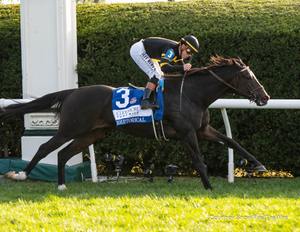
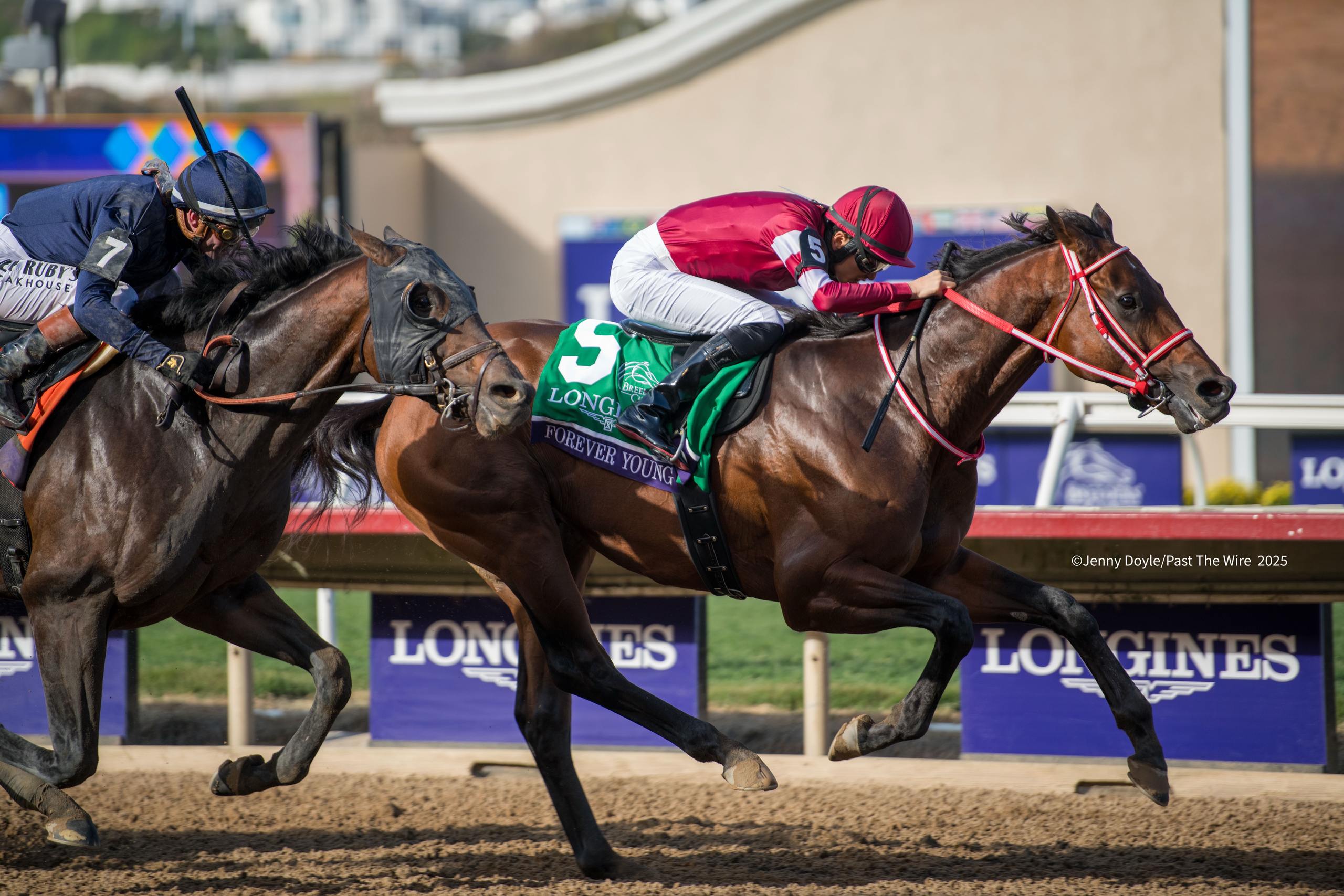
Recent performances also fit within a broader campaign. Contenders including Forever Young, Nitrogen and Notable Speech are attracting attention in their respective divisions, but betting assessments will continue evolving as the remaining preps reshape the championship picture.
How Overseas Form Translates to Keeneland
International runners add another layer to Breeders’ Cup handicapping. European, Japanese and other overseas contenders can arrive with elite records, although those performances may have come on different surfaces, course layouts or under different pace scenarios.
Distance and surface are natural starting points for evaluation, followed by running style and previous experience around comparable configurations. Prior North American appearances can provide additional evidence of how comfortably a horse adapts to different racing conditions.
Reputation alone can’t answer those questions. Bettors also need to consider whether strong overseas form suits the conditions of the specific race. The more useful comparison is between what a horse has already demonstrated and the particular demands it will face at Keeneland.
Review the Final Fields, Post Positions and Conditions
Weeks of research can help bettors form an early opinion, but the final picture only becomes clear much closer to race day. A few last checks can materially change how a race looks.
Before race day, check:
- Fields and scratches: Confirm runners and any field changes,
- Post positions: Consider each draw alongside distance and running style,
- Conditions: Watch for weather changes affecting dirt or turf,
- Potential race shape: Consider how scratches and draws could alter pace,
- Latest odds: Pari-mutuel odds can change as money enters the pool.
None of those checks needs to overturn an earlier assessment. New information may simply strengthen or weaken the case for a particular contender. They ensure the original assessment still makes sense once more of the race-day picture becomes clear.
Preparation Makes a Difference on Breeders’ Cup Weekend
The Breeders’ Cup rewards curiosity. Bettors can study the full race schedule, wagering formats, Keeneland conditions and final prep races well in advance, then revisit their thinking as fields, post positions, weather and race-day odds become clearer.
No single factor tells the whole story across 14 different championship races. Arriving with a solid foundation while remaining responsive to relevant new information makes the two-day card easier to navigate and considerably more interesting to follow.
*Content reflects information available as of 23/09/2026; subject to change