

A serious horseplayer arrives at a race with money already spent. Past performances, a figure product, replay access, and the hours it takes to read all of it. That habit builds a certain kind of bettor: patient, selective, allergic to a bad price, and used to being one opinion inside a crowd of opinions. For most of the last century, that skill had one place to live. You handicapped horses, and that was the game.
That is no longer true. Legal betting in the United States has spread into sportsbooks, online casinos, prediction markets and a shrinking corner of sweepstakes play, and a lot of sharp racing players are looking past the paddock to see what else is out there. Some of that curiosity is well founded and some of it is a trap. The business side of that expansion, the terms and the rule changes rather than the form, is covered by outlets like GamingToday, which tracks racebooks and advance deposit wagering alongside the rest of the US betting industry. The question worth asking before you widen your lens is a simple one: which of your racetrack habits actually travel, and which ones are about to get you hurt.
What the Racetrack Actually Teaches
The core lesson of parimutuel betting is that you are not playing against the track. You are playing against everyone else in the pool. The track takes its cut off the top whatever happens, then the rest is redistributed among the people who were right. Your opponent is the crowd, and the crowd can be wrong, which is the only reason the game is beatable at all.
That shapes how a good horseplayer thinks. You do not ask whether a horse is fast. You ask whether the horse is faster than the price the crowd has put on him. You learn to pass most races, because most of the time the crowd is close enough to right that there is nothing to buy. You keep records, because opinion without a record is just memory flattering itself. Those instincts are the real asset. The mistake is assuming they apply everywhere gambling is now legal. They apply where the structure resembles a pool, and nowhere else.
The One Number That Prices Everything
Before widening anything, a horseplayer should know what the home game costs. Takeout is the number that prices every opinion you hold. As listed on the New York Racing Association’s own wagering pages in July 2026, NYRA holds 16 percent out of win, place and show; 18.5 percent out of the exacta and daily double; 24 percent out of the trifecta, superfecta, Pick 3 and Pick 4; and 15 percent out of the Pick 5. Those are among the friendlier straight-pool numbers in North America, and they are still a wall you climb before you profit.
Hold that number in mind, because it is the fair comparison for everything else on the menu. When a sportsbook or a casino product is pitched to you, the honest question is whether the cut taken off the top is smaller than the edge you can actually find, the same question you already answer every time you decide whether a trifecta is worth playing.
Where the Skill Travels: Beating a Number
The parts of the widened landscape that reward a horseplayer are the ones built like the racetrack, where being right pays because someone else set a price you can disagree with. A sportsbook is the closest cousin. You are still asking whether a number is wrong, except now the number is set by a book with a margin rather than by a pool of bettors. The read is not identical, because a house that sets the line is a different opponent from a crowd that moves it, but the mental muscle is the same one: value lives in the gap between your estimate and the posted price.
Racing itself is drifting toward that model in places. In New Jersey, fixed-odds wagering on thoroughbred racing runs through an exclusive arrangement involving BetMakers, the state’s horsemen and Monmouth Park, and bet365 went live with fixed-odds racing there in January 2025. A fixed price behaves like a sportsbook line: you take the number when you take it, and it does not move under you the way pool odds do. That is a genuine shift, but it does not change the underlying craft. You are still deciding whether your read beats the price and whether the margin leaves you anything when you are right.
Where the Skill Does Not Travel: The House Games
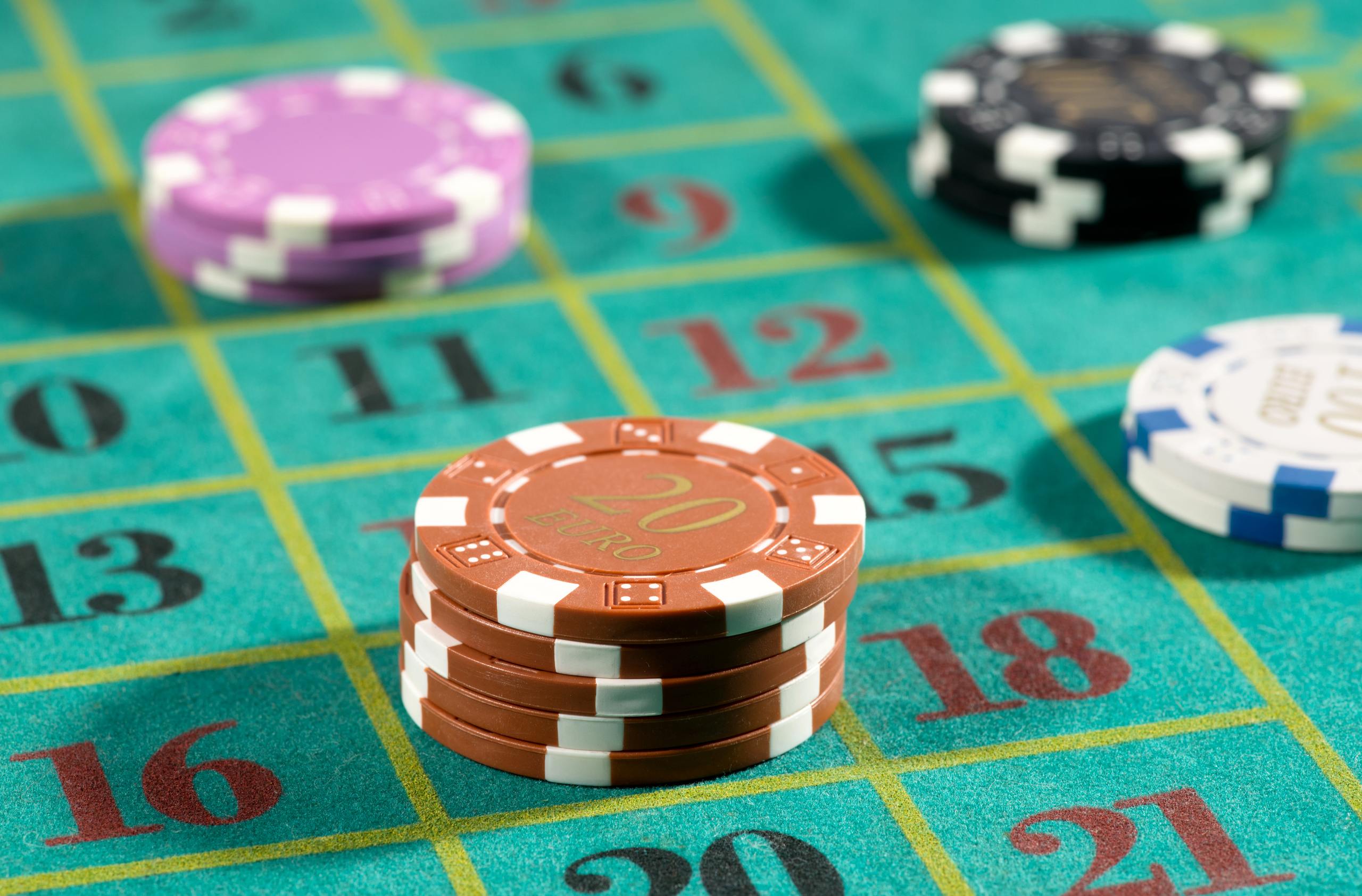
This is the line that gets blurred on purpose, so be precise about it. An online casino game is not a pool and not a posted line you can argue with. The odds are built into the game itself. They do not move because you studied, they do not care what you know, and there is no opponent whose opinion you can beat. Slots are pure chance. Table games run on a fixed house edge that basic strategy can shrink but never erase. The return-to-player figure attached to a game is a long-run average across millions of spins, not a promise about your session or your night.
Nothing a horseplayer knows transfers into that room. The pattern recognition, the trip notes, the class read, the pace projection: all of it is skill applied to a price other people set, which is exactly why none of it applies where the price is fixed by the math. Any pitch that suggests your handicapping brain gives you an angle on slots or roulette is selling the feeling of an edge you do not have. Real-money online casino play is legal for adults 21 and up where it is offered, and it is entertainment with a known cost, not a game you outthink.
Online Casinos Grew, but Not Where You Live
The reason this matters now is that online casino play became legal in more of the country. As of July 2026, eight states license real-money online casino gaming, with Maine the newest addition; the four Wabanaki Nations tribes there are each expected to run a site with a commercial partner, and the market had not launched yet as of mid-2026. In New Jersey, the most mature market, online casino revenue surpassed brick-and-mortar casino revenue in 2025, and the state’s online casinos earned roughly $276.3 million in May 2026.
That growth is real and it is also narrow. Most of the country still has no legal online casino at all. Utah bans gambling outright, Hawaii has no legal gambling, and Texas and California have no legal online casino. If you are a horseplayer in one of those states, the widened landscape is mostly a headline about somewhere else. Knowing which products are actually legal where you sit is the first filter, and it is the one most easily skipped when the advertising treats the whole map as open.
Prediction Markets Are a Different Animal
The newest thing pulling at sharp bettors is the prediction market, and it deserves careful language. Kalshi and the US Polymarket app are regulated federally by the Commodity Futures Trading Commission, and they let you take a position on an event through a contract rather than a wager. On April 6, 2026, a divided panel of the US Court of Appeals for the Third Circuit held that the CFTC has exclusive jurisdiction over Kalshi’s sports-related event contracts, treating them as swaps under the Commodity Exchange Act and affirming an injunction that barred New Jersey from enforcing its gambling laws against the platform. It was the first federal appeals court to rule on the question.
Do not read that as settled. Regulators in Nevada, Massachusetts and Tennessee have pushed their own enforcement with mixed results, and on June 10, 2026 the CFTC issued a proposed rule on event contracts. For a horseplayer the appeal is obvious, because an event contract prices a probability and probability is what you already trade in. The skill can travel here. The caution is that this is not licensed sports betting, the legal footing is contested state by state, and a thin or newly regulated market can price things in ways that punish the overconfident.
The Sweepstakes Detour, and Why It Is Narrowing
You will still see sweepstakes and social casinos advertised as a way to play where real-money casinos are not legal. Treat that pitch with suspicion, because the law moved hard against the model. These sites run on a dual-currency structure, a free play-only coin plus a promotional coin that can be redeemed for prizes, under a no-purchase-necessary sweepstakes framework. That is not real-money gambling and it is not a licensed online casino.
More to the point, availability is shrinking rather than growing. California banned the model effective January 1, 2026. Connecticut made operating one a felony. Indiana’s ban took effect July 1, 2026, and Maine, Oklahoma, Tennessee and several other states have acted through legislation or attorney-general enforcement. A sweepstakes operator that reaches your state today may not next season, and no such platform can legally serve a state that has banned it. For a bettor who values knowing the exact terms of the game, that uncertainty is itself a reason to be cautious.
What Transfers From the Racetrack
The sources and skills are not interchangeable, and the confusion about what carries over is where money quietly leaves. The table below sorts the widened landscape by the one thing that matters to a horseplayer: whether there is a price you can be right about.
| Where the bet lives | Who sets the number | Does handicapping skill transfer | The honest caution |
|---|---|---|---|
| Parimutuel racing pool | The crowd, up to post time | Yes, it is the home game | Takeout is the wall, and late money can move your price |
| Fixed-odds racing | A book, with a margin | Mostly, the read is similar | A fixed price is not automatically a better price |
| Sportsbook | A book, with a margin | Yes, you are beating a number | The house holds an edge; shop the line |
| Prediction market | A regulated exchange | Partly, you are pricing probability | Contested legal footing; thin markets misprice |
| Online casino game | The game math, fixed | No, none of it transfers | Pure chance; RTP is a long-run average, not a session |
| Sweepstakes play | A promotional structure | No | Availability is shrinking and state-dependent |
The Discipline Is the Part That Actually Travels
Strip away the products and the one thing a horseplayer owns that works everywhere is not an angle. It is the record. The habit of writing down what you did, tracking what it returned, and being honest about a losing month is the closest thing to a private edge in any form of betting, and it is the first habit people abandon when they move to a shinier game.
That discipline is also what the broader industry keeps proving is rare, and racing publishes more of its own accounting than any other betting sport. A close reading of the sport’s economics, such as this macro accounting of where US racing’s money has gone, makes the case that the price question has only gotten sharper since 2003. The safety side is documented just as openly. The Horseracing Integrity and Safety Authority’s published metrics for 2025, released on March 24, 2026, covered 71,443 horses with a workout or start and put racing fatalities at 1.04 per 1,000 starts at regulated tracks against 1.21 outside the program, with a scratch rate of 13.6 percent per entry. Roughly one entry in seven does not run, which is a handicapping fact as much as a welfare one. The lens is worth widening. Just carry the record-keeping with you and leave the fantasy that a house game can be handicapped at the door.
Frequently Asked Questions
Does my handicapping edge work on online casino games?
No. Casino games run on a fixed house edge built into the math, and there is no price set by other people for you to beat. Slots are pure chance, and table games can be played more or less efficiently but never turned positive. The return-to-player figure is a long-run average across huge samples, not a guide to your session. Handicapping skill is skill against a price, which is exactly why it does not apply where the price is fixed.
Should a horseplayer take prediction markets seriously?
Cautiously, yes. Kalshi and the US Polymarket app operate under CFTC oversight, and pricing a probability is close to what a handicapper already does. A federal appeals court ruled in April 2026 that the CFTC has exclusive jurisdiction over Kalshi’s sports contracts, but the legal fight is not settled and several states are still pushing back. Treat it as a contested, evolving market rather than a settled form of sports betting.
Is online casino play legal everywhere now?
No. As of July 2026, eight states license real-money online casino gaming, with Maine the newest and not yet launched. Most of the country still has no legal online casino, and states like Utah, Hawaii and Texas offer none. The first thing to check is whether a product is actually legal where you are, because the advertising rarely makes that clear.
Are sweepstakes casinos a safe way to play where real-money games are banned?
They are a shrinking and legally uncertain option, not a safe workaround. California, Connecticut, Indiana and several other states have banned or restricted the model, and no such platform can legally serve a state that has prohibited it. A site available in your state today may not be next season, which is a poor foundation for a bettor who values knowing the terms.
What actually carries over from racing to the wider landscape?
The discipline, not the picks. Selective betting, respect for the cut taken off the top, and honest record-keeping work in any market where you are trying to beat a price. Those habits transfer to sportsbooks, fixed-odds racing and prediction markets. What does not transfer is the belief that study beats a fixed house edge, because in a casino game there is no opponent and no price to be right about.