

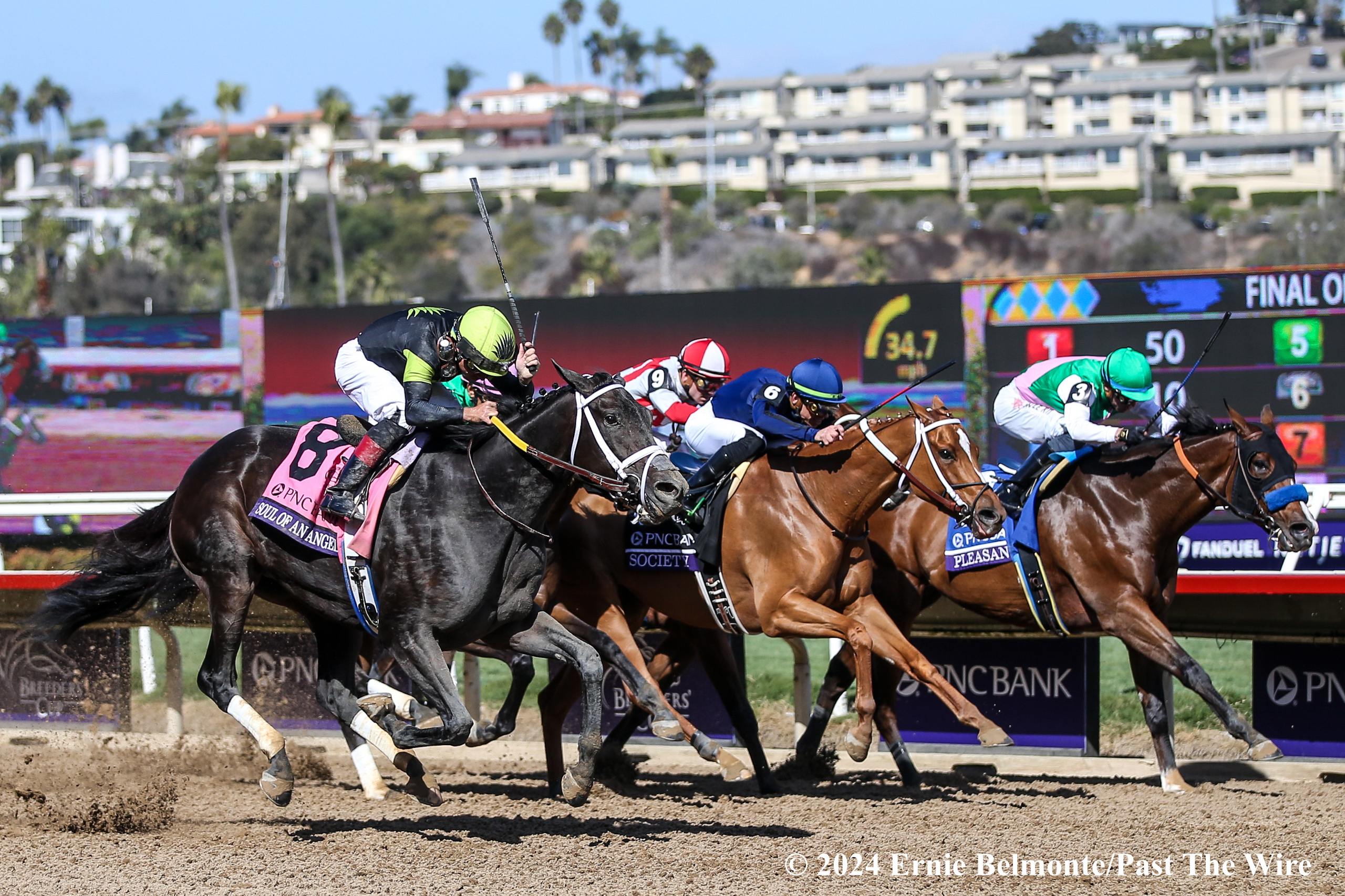

Horse racing once lived by the paper form guide, the rail-side tip, and the voice of a caller crackling over a grandstand speaker. Now the same sport sits inside phones, data feeds, live streams, and second-by-second odds screens. A fan can study sectional times, watch a replay at breakfast, then place a bet before the horses reach the parade ring. Race alerts buzz during lunch and train rides. The old rituals have not vanished. They have gained buttons, alerts, and far more noise. Even norge searches sometimes point readers toward casinospill reviews before they compare racing markets online on a Saturday card.
Data Changed the Form Book
The printed form book was never simple. Still, it had limits. It showed weight, draw, trainer, jockey, going, and a short comment such as “stayed on.” Digital form adds far sharper clues. Punters now check stride maps, wind direction, beaten lengths adjusted by pace, and speed figures built from thousands of past races.
Numbers changed the argument.
A horse that finished fifth at York in 2022, for example, might look ordinary in a newspaper line. Video and timing data can show it lost three lengths at the start, ran wide around the bend, and still covered the final furlong faster than the winner.
But data has a trap. Too many screens create false confidence. A smart racing fan checks one main source, one replay, and the market move, then stops.
Betting Moved From Queue to Pocket
A racecourse betting ring used to make its own music. Chalk boards changed by hand, coins rattled, and bookmakers shouted prices across the crowd. Online betting broke that rhythm into smaller moments. A price can shift ten times before a two-minute sprint begins, and the change reaches a phone before the public address speaker finishes a sentence.
It feels instant.
This speed altered habits. Some bettors no longer pick one horse at noon and wait. They watch late money, track weather apps, and react after seeing a favourite sweat in the paddock. Cash-out buttons and in-play pools add pressure, because decisions arrive while the field is already moving.
Regulators have had to catch up. Age checks, deposit limits, identity scans, and self-exclusion tools now sit beside the bet slip. That is not glamour, but it is part of modern racing. The sport depends on trust as much as spectacle.
Screens Brought the Track Home
Television gave racing a national window, but streaming gave it a personal one. A fan in Leeds can watch Sha Tin before lunch, switch to Ascot in the afternoon, then replay Santa Anita after dinner.
Replays changed learning. Fast.
A viewer can pause at the start, slow the bend, and compare two jockeys taking different lines through the same patch of ground. That was once work for stewards, stable staff, or people with deep archive access. Now a curious newcomer can learn why a horse hung left, why a rival ran out of room, or why a front-runner faded after setting daft fractions.
The downside is attention. Clips flatten drama into ten seconds. A messy race becomes a meme before the official result is weighed in. Racecourses now compete with group chats, football alerts, and short videos that sit one thumb swipe away. Good coverage therefore needs clean sound, clear camera angles, and presenters who explain without talking over the final furlong.
Trainers and Jockeys Work With Sensors
Behind the stable door, digital change is quieter but just as serious. Heart-rate monitors, GPS trackers, thermal cameras, and smart scales give staff a daily picture of how a horse is coping. A small rise in resting pulse on Monday can warn a yard before a poor gallop on Wednesday.
Tiny signals count.
Jockeys use analysis too. Some watch helmet-cam footage to review balance, whip timing, and race position. Trainers compare gallop splits with feed notes and sleep patterns. Vets read scans beside blood results, not instead of them. The best yards do not treat software as magic. They treat it as another stable hand that never forgets a number.
There is a cost problem. Small trainers cannot buy every sensor or hire an analyst for £45,000 a year. If richer yards read horses earlier and recover them better, the gap grows. Racing authorities will need shared data rules and fair access schemes.
Fans Now Shape the Story
Racing used to speak down a microphone. Now fans answer back. They post paddock photos, challenge stewards’ calls, build speed maps, and clip rides within minutes. A sharp thread or a Discord group can spot a bias before the official review lands the next morning.
The crowd has receipts.
This has made racing less closed, but rougher. Jockeys now hear abuse after a beaten favourite. Trainers read wild theories about injured horses. Tipsters get exposed when screenshots prove they deleted losing picks. The digital record keeps people honest, yet it also rewards outrage because anger spreads faster than a measured steward report.
The healthiest fan spaces set rules. They label opinion as opinion, separate tips from ads, and correct bad data quickly. Racecourses can help by posting going updates, non-runner news, and replay links in one easy place. A two-line update can save hundreds of confused comments later. For the next card, one practical test is simple: can a new fan understand the story before the stalls open?